EN
EN
Paper-Based Packaging Design for a Bathroom Product | PackCube
2026/10/21
Explore a PackCube bathroom product packaging sample featuring a corrugated carton, paperboard support frame and upper positioning components.

2026/06/10
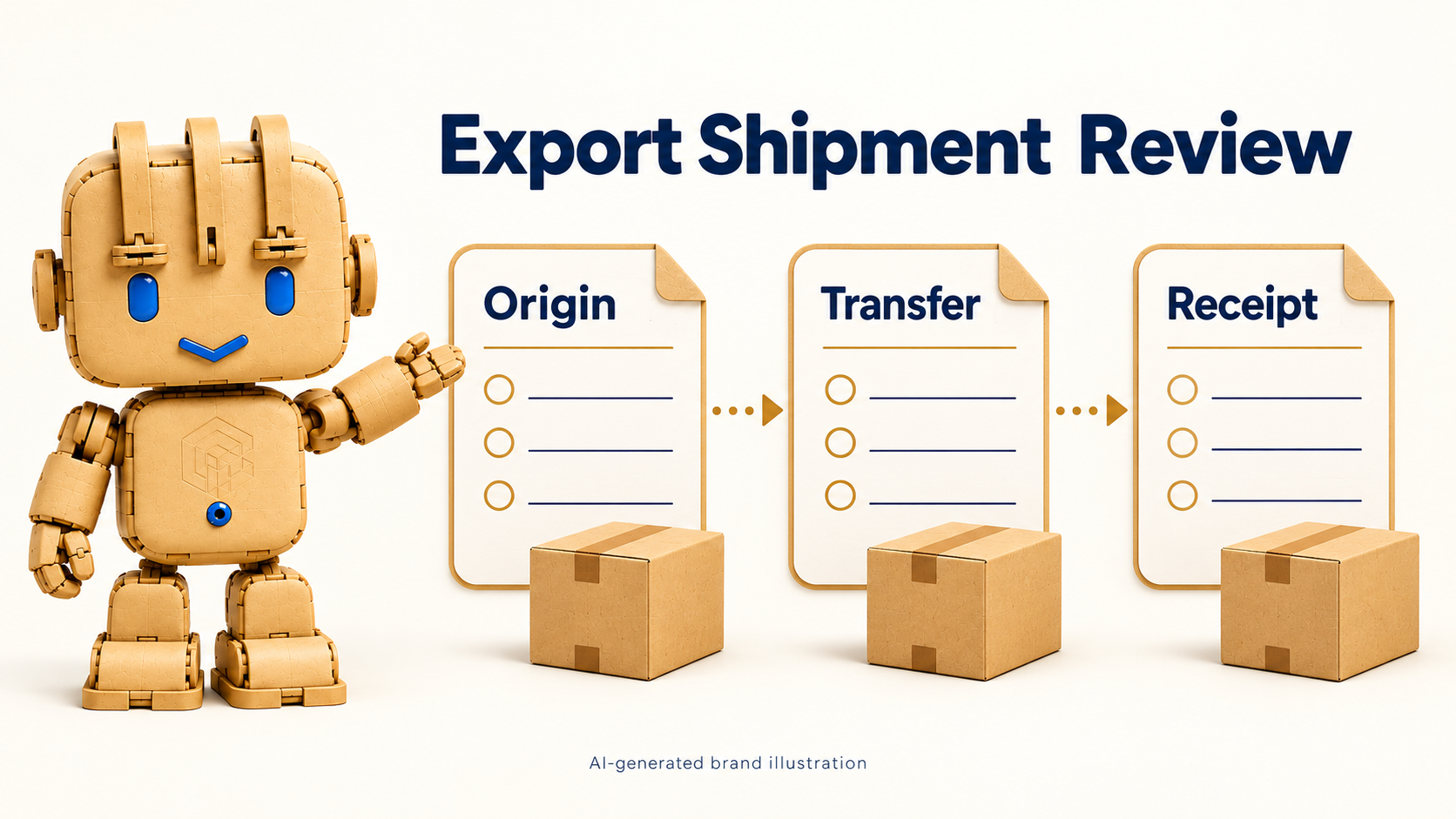
AI-generated brand illustration. Route and handling information requires confirmation for the specific shipment.
Author: 三耳 | Professional review: 聂伟波 | Review date: 2026-10-16 | Scope: CONTENT-1017 R1, including Section 5, the six-row table and applicability boundaries. Review outcome: Approved.
An export packaging review needs the product's shipping configuration and intended journey to be described. Identify source documents, their revisions and the questions still requiring confirmation.
Material, support and positioning proposals need review against the specific product and shipment conditions. General descriptions of foam, paperboard, barriers or base supports do not establish performance or suitability for an individual configuration.
A proposed test programme needs its scope, conditions and acceptance criteria confirmed for the configuration being assessed. Performance or cost comparisons need supporting records and a defined baseline; no measured improvement is established by this article.
Before discussing a PackCube service, confirm the actual scope, applicable configuration, responsibilities and acceptance arrangements for the project.
Before discussing a packaging proposal, describe the intended journey and identify which information is confirmed, provisional or unknown. The questions below are an editorial starting checklist for collecting review inputs. They do not prescribe handling operations, validate a packaging design or establish compliance with destination requirements.
Identify the product model and shipping configuration, package reference and revision, record date and information provider. Separate the planned route from the confirmed booking. If documents describe different configurations, keep the discrepancy visible rather than combining them into one apparently complete record.
Use one entry for each known leg, intermediate stop or handover. List the origin and destination, transport mode, expected transfer or storage, and the source of that information. Mark missing details as unknown. A regional description does not establish a particular shipment's duration, weather exposure or handling conditions.
| Record item | Information to collect | Evidence and status |
| Shipment reference | Product configuration and package revision | Provider, document reference, date; confirmed / provisional / unknown |
| Route leg | From, to, transport mode, planned or booked status | Booking or route document reference; unresolved differences |
| Transfer or storage | Location, receiving party, expected waiting or storage conditions | Source and date; missing conditions explicitly recorded |
| Package continuity | Whether opening, repacking or a configuration change is planned | Responsible party's confirmation; supporting document reference |
| Dispatch and receipt | Separate information from each end of the journey | Site document reference, provider and unresolved questions |
| Change record | What changed, affected documents and questions needing review | Revision, owner and review status |
These are blank collection fields, not records of a completed PackCube shipment. Documenting a planned opening or configuration change does not authorize that operation.
Request the dispatch site's and receiving site's handling information separately. Reference the applicable equipment and site documents for each end, and record what has not been supplied. Do not assume that a description from the dispatch site also describes the receiver's facilities or authorized handling arrangements. For detailed input questions, use the related heavy-equipment article below.
If a route, transfer arrangement or package configuration changes, retain the previous revision and identify the affected information. Assign an owner to each unresolved question and record the evidence requested. The specific configuration, applicable requirements and qualified reviewer still need confirmation before a design or operation can be released.
Where a cargo transport unit (CTU) is used, prepare a receiver-side record alongside the route brief. The 2014 CTU Code, chapter 12 and Annex 5, discusses arrival checks and discrepancies. The blank fields below are editorial prompts, not an official form:
| Record item | Information to retain |
| Receiving arrangement | Receiving party, location and applicable site-information reference |
| Unit identity | Expected and observed CTU references; associated document revision |
| External condition | Observation record and any reported discrepancy |
| Seal reference, where applicable | Documented and observed reference, condition and unresolved difference |
| Notification | Relevant party contacted, record reference, time and response |
| Outstanding decision | Unresolved question, responsible party and supporting decision record |
Keep the transport document, arrival observation and subsequent response distinct. An information acknowledgement does not resolve a physical discrepancy; an intact exterior or matching identifier does not establish equipment performance.
The receiving team must determine applicable site, handling and safety requirements. This table is not an instruction to open or enter a CTU, remove restraints or unload equipment. It does not determine custody, claims or regulatory obligations; unresolved matters require the appropriate responsible parties and applicable requirements.
The IMO description of the 2014 CTU Code identifies it as a non-mandatory code of practice. Its information-flow provisions and Annex 1 discuss information exchanged along the transport chain. The collection fields above are editorial prompts, not a reproduced standard checklist. The 2014 edition is cited explicitly; project applicability, current requirements and destination-specific obligations need separate review.
An initial discussion can identify missing inputs. Mark unconfirmed legs and transfers as provisional or unknown, name the information owner, and keep decisions dependent on those details pending. An initial discussion is not a released packaging design.
Record that gap separately from dispatch information and request the applicable receiving documents. Do not replace missing receiver information with assumptions from the origin site.
Create a revised record, retain the earlier version and identify affected documents and open questions. Obtain review for the changed configuration; an earlier review does not automatically cover the change.
What Information Is Needed Before Loading or Unloading Heavy Equipment?
What Product Information Is Needed Before Packaging Design?
Use Contact Us to send a short summary of the product, intended origin and destination, shipment timing and unresolved review question. Share drawings or confidential shipment records only through a separately agreed channel.

2026/10/21
Explore a PackCube bathroom product packaging sample featuring a corrugated carton, paperboard support frame and upper positioning components.
2026/10/14
Review configuration, dimensions, protection, handling, route and receiving inputs before deciding whether equipment accessories should be packed separately.
2026/10/13
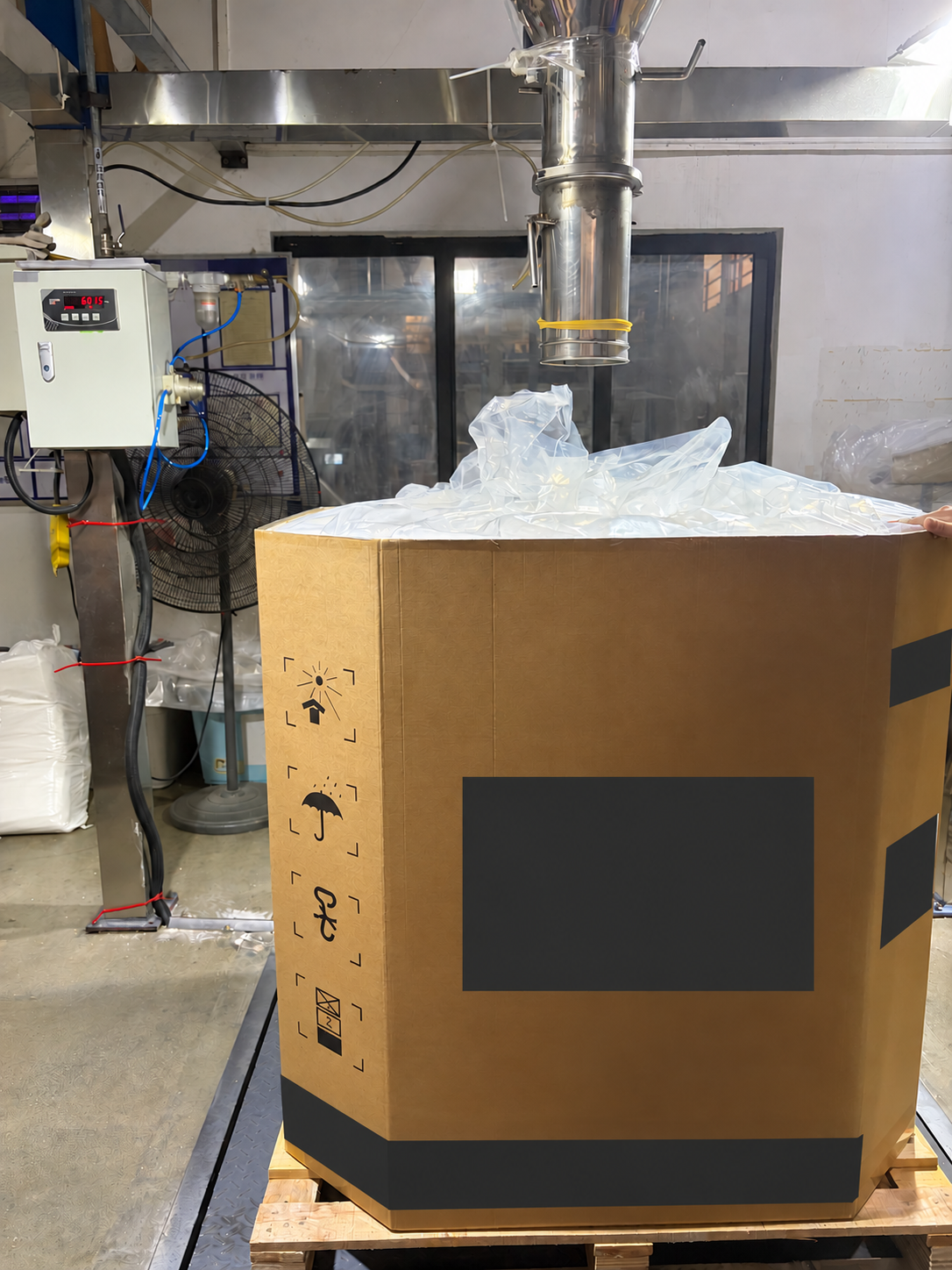
Custom octabin packaging for granular and powder products. PackCube configures corrugated boxes, liner bags and pallets around filling and protection needs.

2026/10/09
Explore PackCube’s custom plywood pallet project, from design and prototypes to customer on-site validation, mass production after approval, and shipment.
2026/10/06
Compare equipment packaging proposals using the same configuration, shipment conditions, evidence, acceptance criteria and cost scope, without assuming a material winner.
2026/10/04
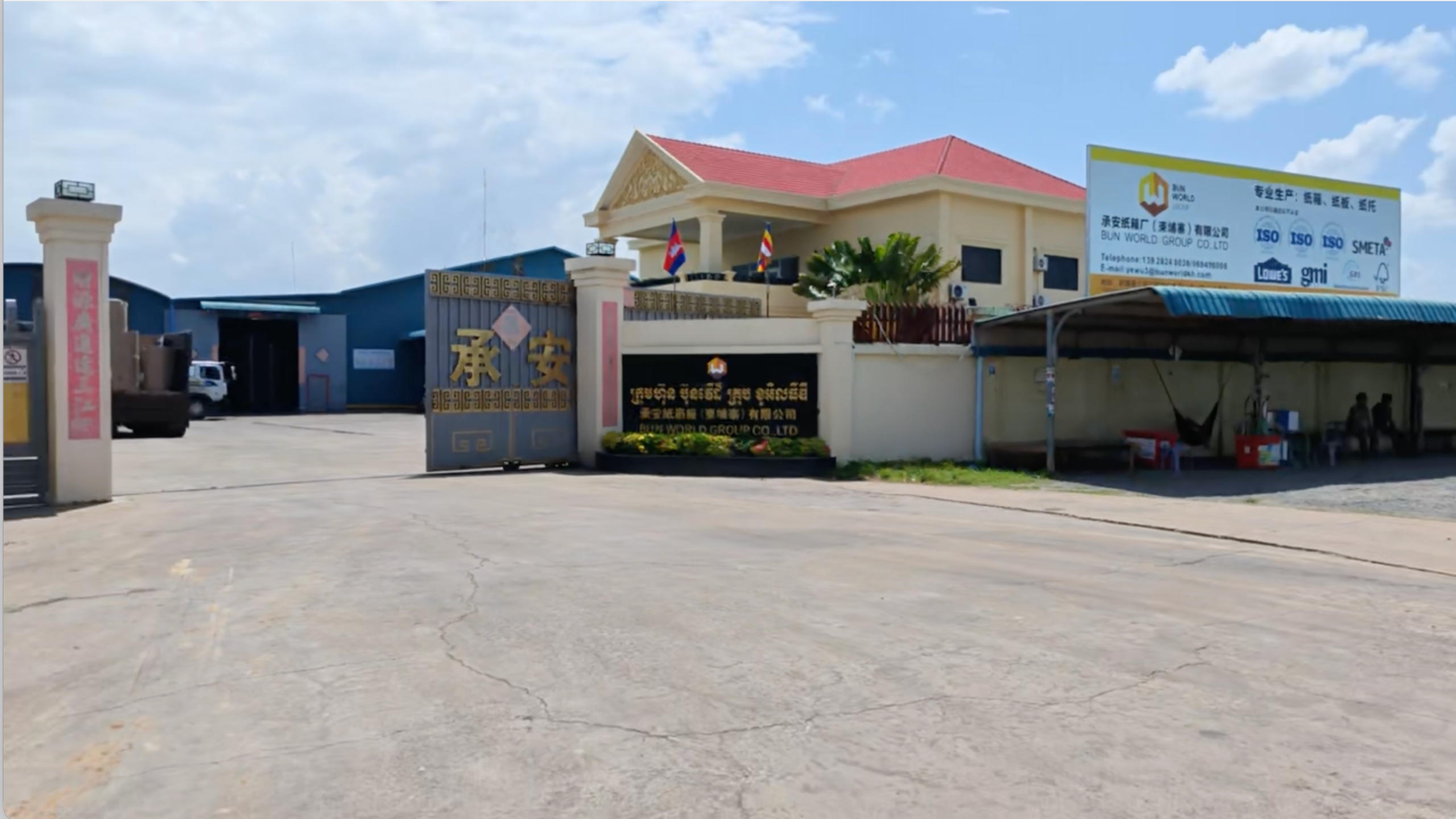
Explore our Cambodia molded pulp packaging operation through factory and workshop photos showing forming equipment, drying racks and production handling.