EN
Paper-Based Packaging Design for a Bathroom Product | PackCube
2026/10/21
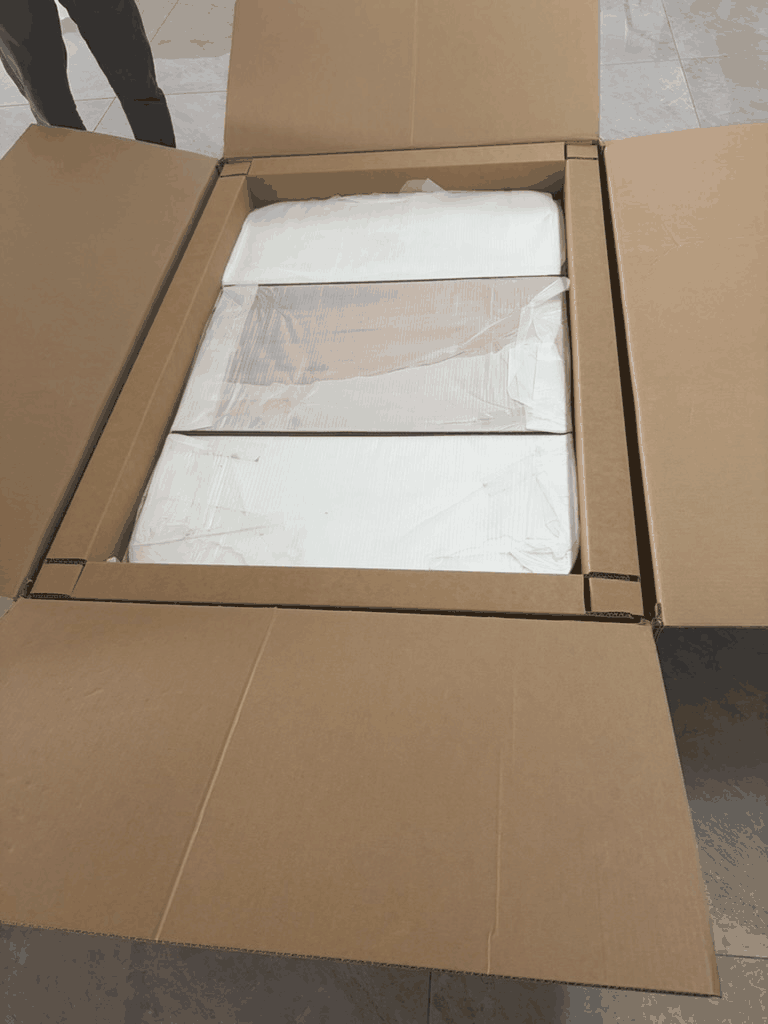
Explore a PackCube bathroom product packaging sample featuring a corrugated carton, paperboard support frame and upper positioning components.

2026/10/14
Author: PackCube
Reviewed by Leo · 2026-10-14
Deciding whether accessories should travel with the main equipment or in separate packages starts with the shipment configuration and applicable manufacturer instructions. Accessory size alone does not establish whether removal, separate handling or later reinstallation is appropriate.
The record below is a proposed framework for an engineering discussion. It does not select a packing arrangement, authorize dismantling or demonstrate package performance.
For an initial discussion with PackCube, provide a non-confidential item list, the proposed transport configuration, dimensions and mass with their sources, destination and known handling conditions. Mark missing instructions and inputs clearly; agree a private sharing method before providing confidential drawings. Initial discussion does not release a design or confirm price, delivery or performance.
Prepare an item list identifying the main equipment, accessories and any separate assemblies. Link each item to its model or part reference, quantity and applicable drawing revision. Describe which components remain installed and which are proposed for removal; keep a proposal distinct from an approved transport configuration.
Request the manufacturer's applicable instructions for transport preparation, disconnection and reinstallation where relevant. Identify unresolved questions and who can answer them. Do not treat an accessory's removable appearance as permission to detach it.
Use the following questions to compare records without assigning a preferred arrangement:
| Input | Information to collect |
|---|---|
| Configuration and authority | Items included in each proposed package, document revisions and the basis for any proposed removal |
| Dimensions and mass | Item dimensions and mass, separate from proposed packed dimensions and total packed mass; values and sources for each configuration |
| Protection requirements | Documented sensitive surfaces, projecting parts, prohibited contact areas and relevant product requirements |
| Handling interfaces | Applicable manufacturer-designated interfaces and permitted uses for each handling stage; unresolved questions identified separately |
| Route and site conditions | Transport modes, transfers, storage stages and dispatch and receiving arrangements for each package |
| Receipt and reassembly | Item identification, quantity reconciliation, receiving responsibility and applicable reinstallation or acceptance instructions |
These are communication fields, not an official test form or a completed customer assessment. Mark confirmed, estimated and unknown values, and name the person responsible for resolving each missing input.
Record conditions at dispatch and receipt separately. Equipment available at the sending site does not establish the receiving site's arrangement. Ask the responsible site teams for the available handling equipment, access constraints and applicable documents for the proposed packages.
Keep lifting interfaces, packaging-base attachments and transport-restraint interfaces distinct. Do not infer that a point used for one purpose is permitted for another. Where removing a component changes the configuration, obtain the applicable mass, balance and interface information rather than assuming the original record still applies.
The PackCube handling-input checklist develops these information requests. It is not an instruction to lift or move a specific machine.
For any proposed arrangement, document the configuration to be reviewed, relevant requirements, intended distribution conditions and acceptance criteria. Retain the previous configuration record when a proposal changes. State which earlier reports are being considered and whether their applicability has been confirmed.
ISTA's design and testing guidance connects test selection with the distribution environment and calls for representative product and package samples. Its retesting guidance addresses changes in products, packages and processes. These sources provide context for reviewing changed configurations; they do not establish that either combined or separate packing is suitable for a particular shipment.
Ask the responsible product, packaging and test personnel to identify the applicable review or verification requirements. Record the actual decision and its scope only when that evidence is available. An item list, a smaller package or an earlier report alone does not prove the proposed arrangement protects the equipment.
No general choice follows from size alone. Establish the transport configuration, product requirements, proposed internal arrangement and relevant handling conditions before reviewing that option.
This article provides no such conclusion. A safety or cost comparison needs evidence for the actual arrangements, including handling and receiving requirements. No performance result, freight quotation or savings estimate is supplied here.
Record the gap and seek applicable information from the manufacturer or responsible equipment engineer. Keep the proposed configuration unresolved rather than inventing disassembly steps or treating separate packing as approved.
Cover: AI-assisted Lifangxia brand illustration. Concept only; arrangement not selected. Not a customer case, engineering drawing or test result.
2026/10/21
Explore a PackCube bathroom product packaging sample featuring a corrugated carton, paperboard support frame and upper positioning components.
2026/10/13
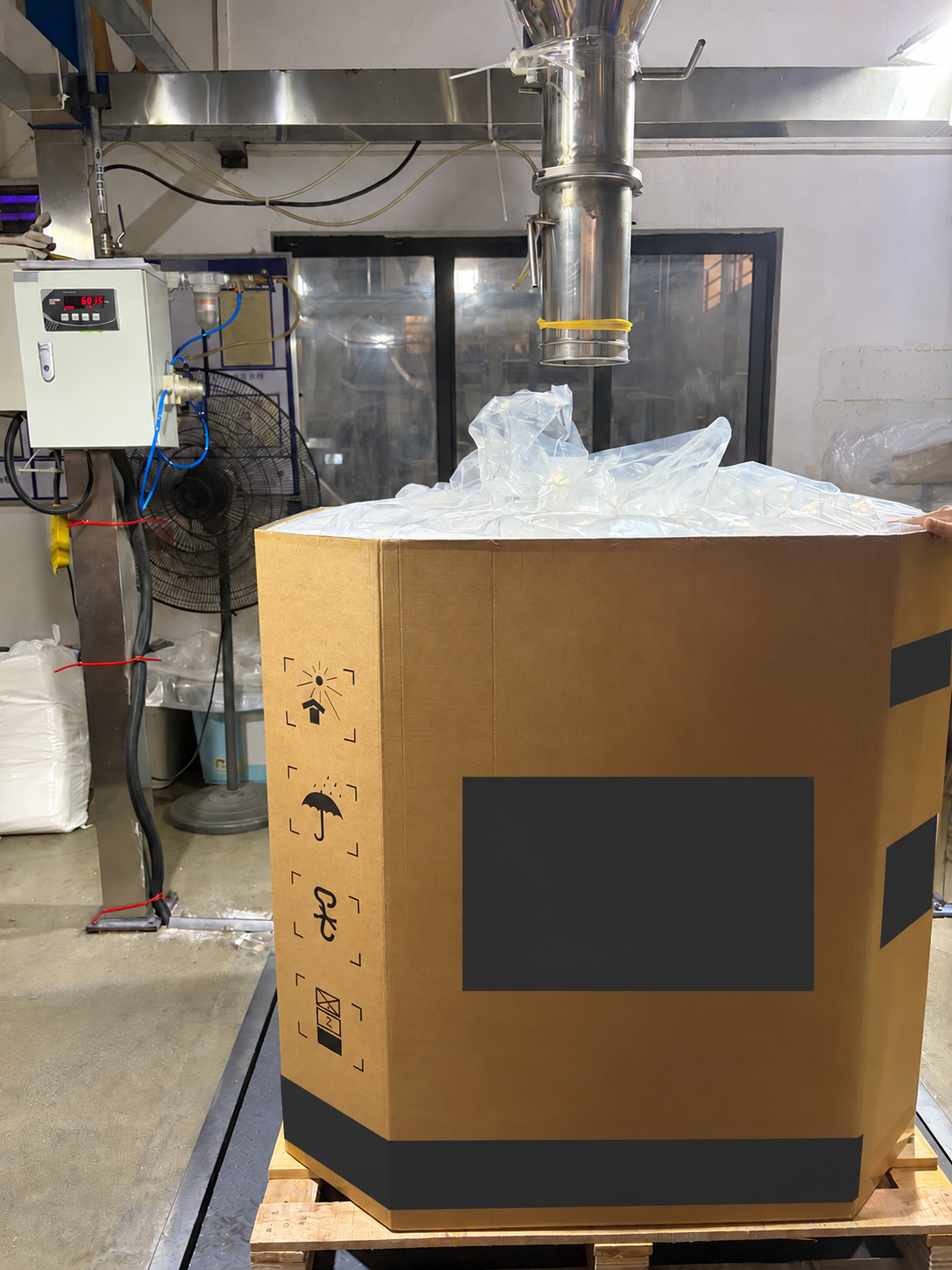
Custom octabin packaging for granular and powder products. PackCube configures corrugated boxes, liner bags and pallets around filling and protection needs.
2026/10/09
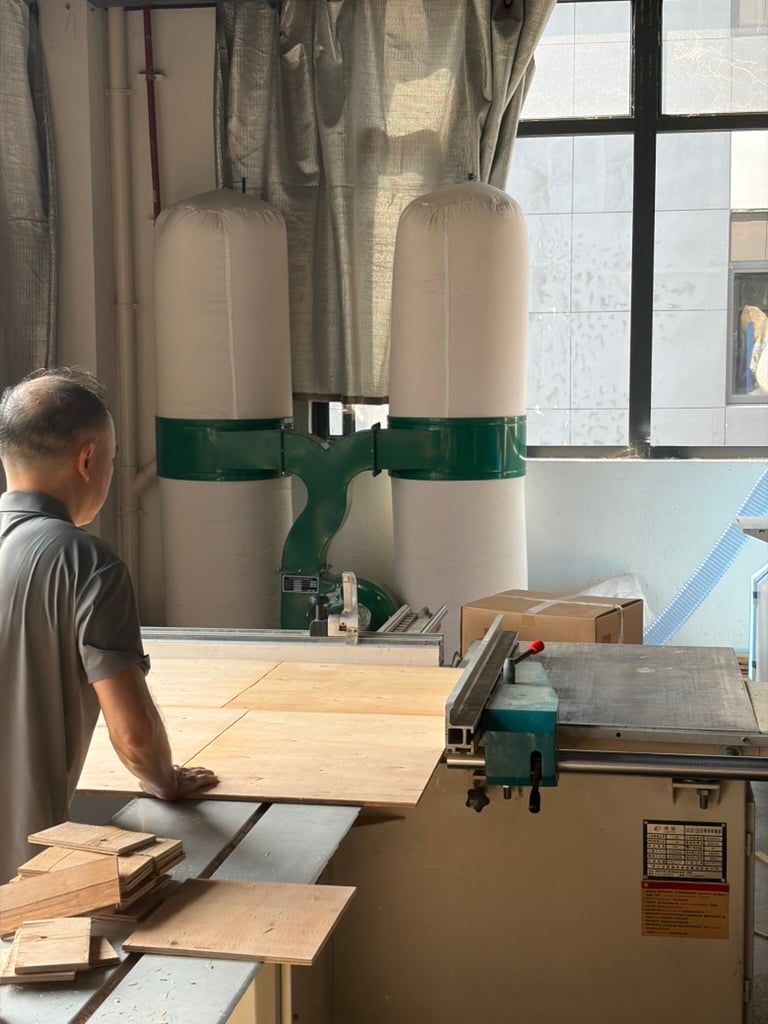
Explore PackCube’s custom plywood pallet project, from design and prototypes to customer on-site validation, mass production after approval, and shipment.
2026/10/06
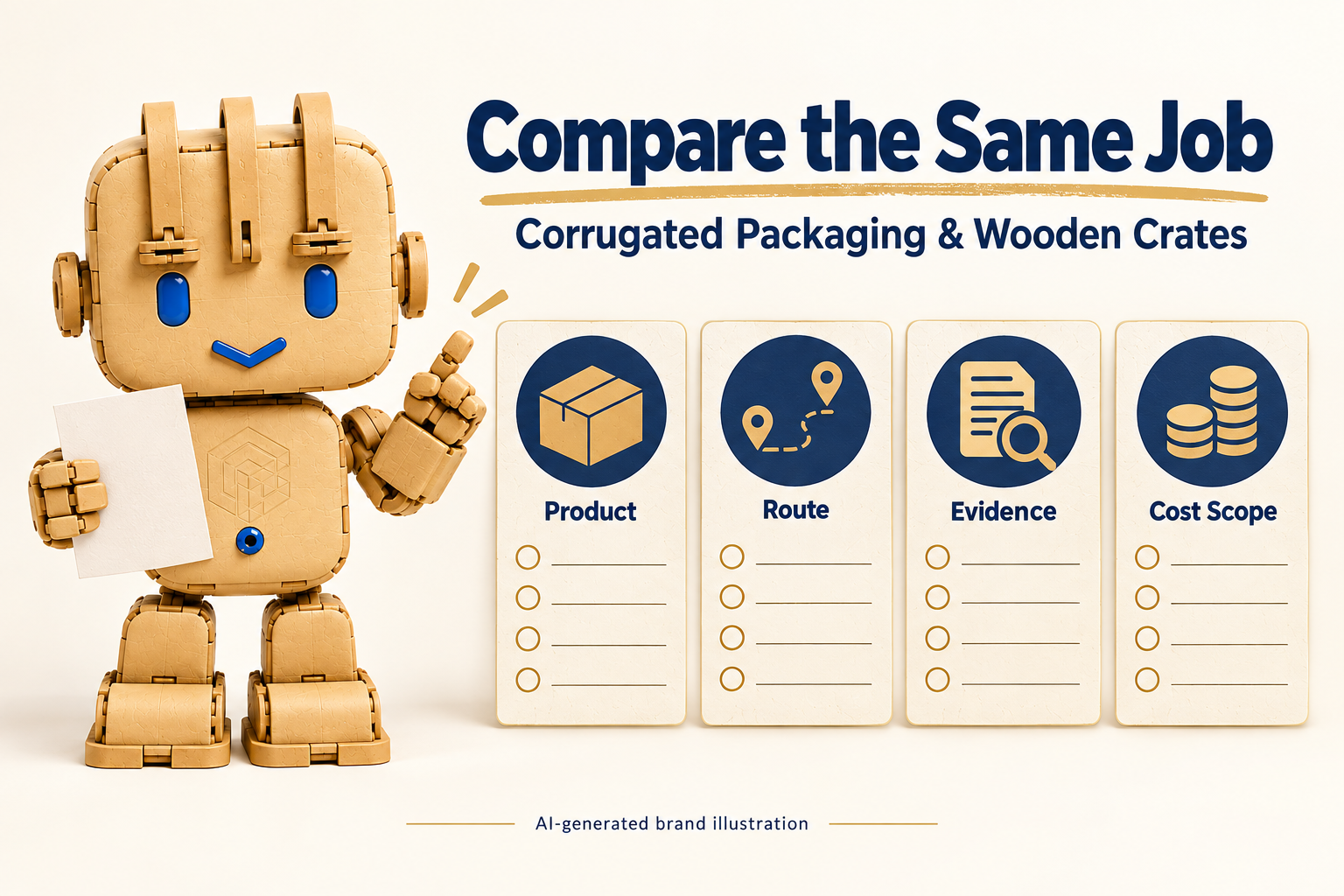
Compare equipment packaging proposals using the same configuration, shipment conditions, evidence, acceptance criteria and cost scope, without assuming a material winner.
2026/10/04
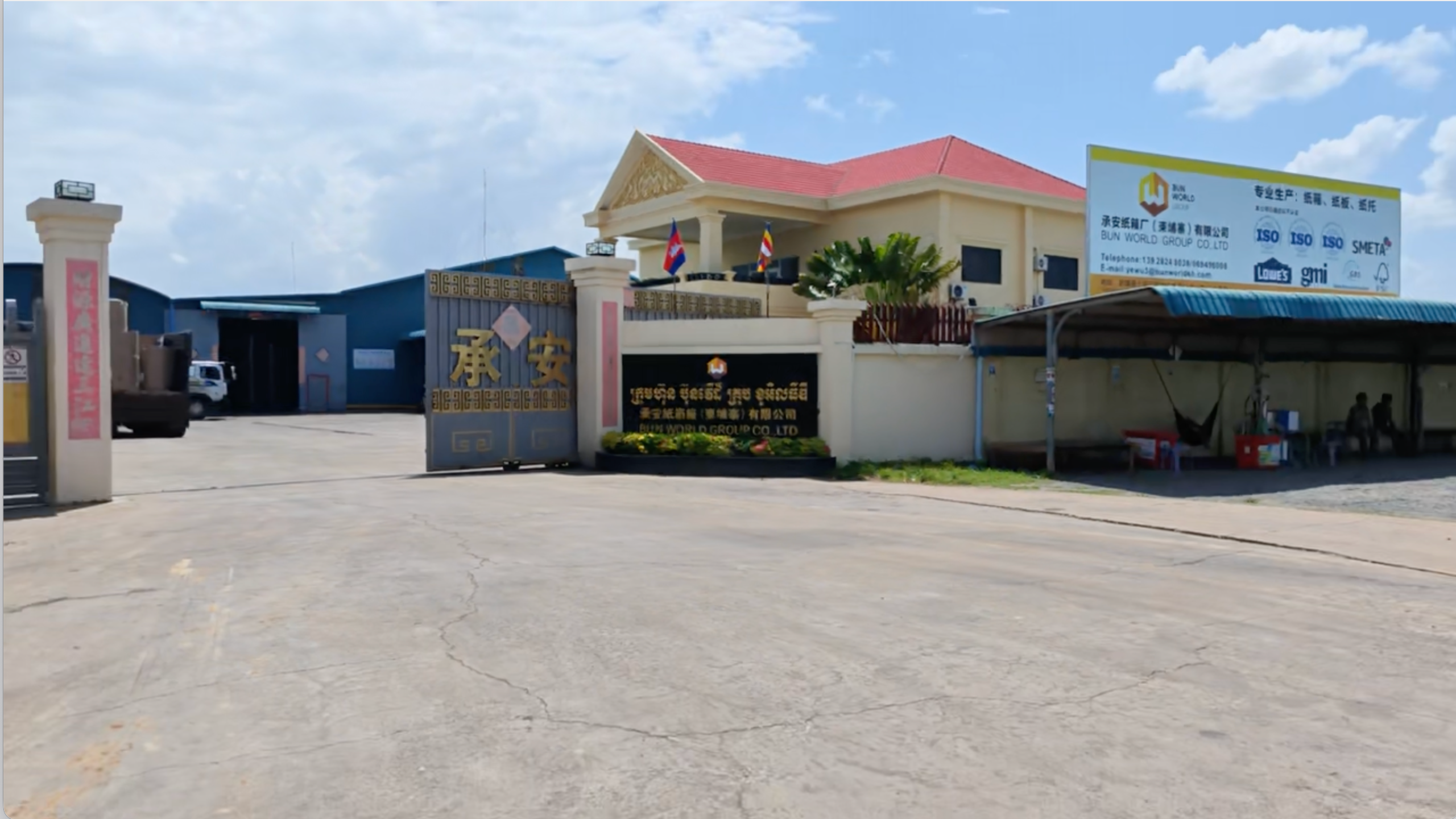
Explore our Cambodia molded pulp packaging operation through factory and workshop photos showing forming equipment, drying racks and production handling.