EN
EN
Custom Plywood Pallets: From Prototype Validation to Mass Production and Delivery
2026/10/09
Explore PackCube’s custom plywood pallet project, from design and prototypes to customer on-site validation, mass production after approval, and shipment.

2026/10/03
Automotive parts can face impacts, vibration, stacking loads, moisture and repeated handling during international shipping. How can manufacturers select protection that suits each component while also considering container loading, customer receiving requirements and packaging compliance? Xiaofang explains six key checks to make before shipment.
Automotive parts vary widely, and so do their packaging requirements. Machined metal parts need protection against corrosion and impact. Lamps and trim parts require surface protection. Long components need support to prevent bending, while electronic modules may require electrostatic discharge protection.
Before choosing an export packaging solution, consider the product, the transport conditions and the customer's receiving requirements together. The following six checks provide a practical starting point.
Dimensions and weight are essential inputs, but they do not tell the whole story. Which areas can support a load, and which must be protected from pressure?
When several parts share a carton, use dividers, fitted inserts or individual packaging to limit movement and prevent contact. Support and restraint points should avoid vulnerable areas.
Sea freight and transport between regions can expose cargo to changes in temperature and humidity. Even metal components that leave the factory in good condition may require protection throughout transport and storage.
Before packing, confirm that the parts are clean and dry, check for residual moisture, and establish whether corrosion protection materials could affect subsequent assembly, coating or use.
Depending on the material and shipping conditions, assess options such as rust preventive oils, vapor corrosion inhibitor materials, barrier bags and desiccants. Material compatibility, quantities and sealing methods should be verified for the actual product.
Desiccants are only one part of moisture protection. Adding more desiccant may not achieve the intended result if the packaging materials, internal moisture and sealing method are not coordinated.
Do not select a carton solely by its number of layers or use the weight of one component as the design basis for an entire package.
Consider the total packed weight, quantity per carton, stacking height, storage duration and transport environment. Inserts should provide positioning, separation and load distribution as well as cushioning.
For heavy components, check that the bottom structure and pallet provide compatible support. For long components, confirm that adequate support is maintained during handling and stacking.
Assess the carton, inserts, pallet and strapping together. A strong individual element does not guarantee that the complete packaging system will protect the product reliably.

Xiaofang checks how fitted inserts, separated compartments and pallet restraints work together to protect automotive parts. Concept illustration.
Packed products still need to be moved by forklift, transported in a container and unloaded at their destination. Confirm these conditions during packaging design:
Both internal restraint and container load securing matter. Even if the component is held securely inside its carton, the entire package can still move during transport. The joint IMO/ILO/UNECE Code of Practice for Packing of Cargo Transport Units (CTU Code) provides guidance on packing and securing cargo.
Reference: https://www.imo.org/en/ourwork/safety/pages/ctu-code.aspx
When using solid wood pallets, crates or dunnage, check the destination's wood packaging requirements and confirm that any applicable treatment and marking requirements are met.
ISPM 15 addresses wood packaging material in international trade. Packaging made wholly from qualifying processed wood, such as plywood, is among the exemptions listed in the standard. However, a plywood crate may also contain solid wood bases or supports. Check those components separately rather than judging the entire package by its panels alone.
Reference: https://www.ippc.int/en/publications/91395/
If the shipment includes special components such as batteries or airbags, confirm the transport classification and applicable requirements with the freight forwarder or carrier before finalizing the packaging. These products should not automatically follow the same shipping arrangements as ordinary automotive parts.
Export packaging should support the customer's ability to receive and use the products efficiently.
Before shipment, confirm the quantity per carton, part numbers, batch traceability information, label language, pallet specifications and unpacking or production-line handling requirements. Include any customer packaging specifications early in the design process.
Before mass shipment, determine whether vibration, drop, compression or other targeted validation is needed, based on the actual transport method and product risks. Heavy palletized loads and small parcels experience different handling conditions, so the validation plan should reflect the shipping scenario.
Inspect the product as well as the outer packaging. Check for scratches, deformation, loosened components and any functional or dimensional changes relevant to acceptance.
Automotive parts export packaging needs to answer three questions: Where is the product vulnerable? What will it experience during transport? How will the customer receive and use it?
When preparing a packaging proposal, provide product dimensions and weight, vulnerable areas, quantity per carton, transport method, expected transport and storage duration, destination and customer packaging specifications. Product photos, drawings and records of previous shipping issues can also help.
Complete information supports better decisions about materials, structures and validation methods, while reducing repeated sampling and last-minute changes before shipment.
Preparing automotive parts for export? Share your product and shipping information with PackCube to discuss packaging suited to your delivery requirements.
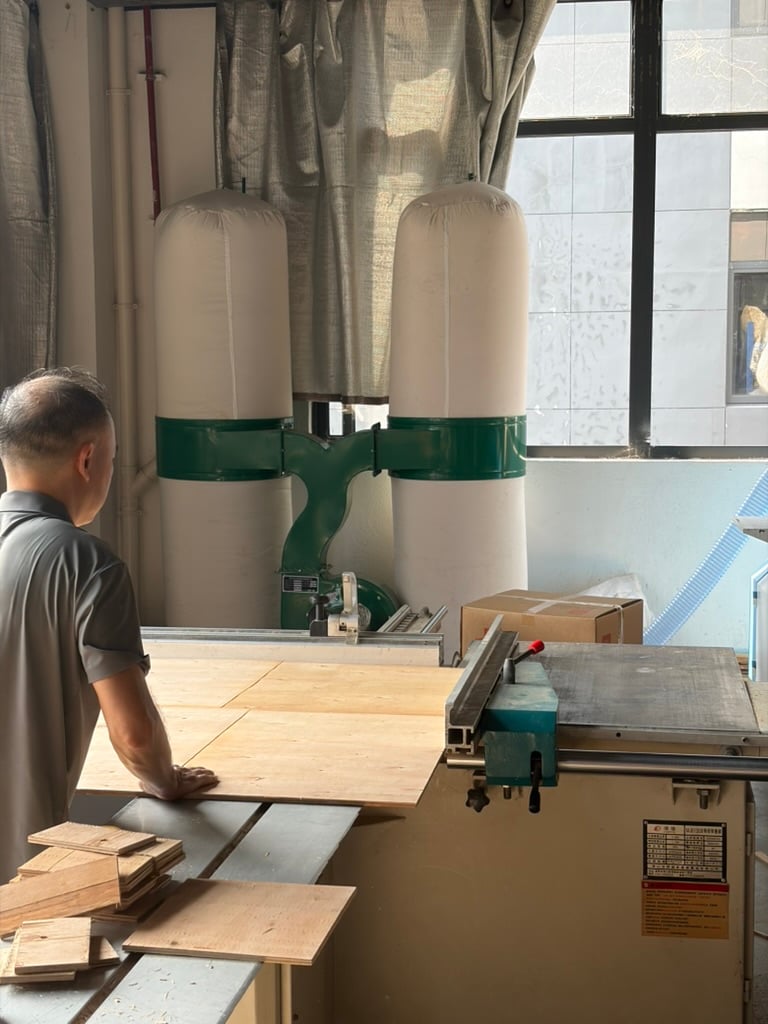
2026/10/09
Explore PackCube’s custom plywood pallet project, from design and prototypes to customer on-site validation, mass production after approval, and shipment.
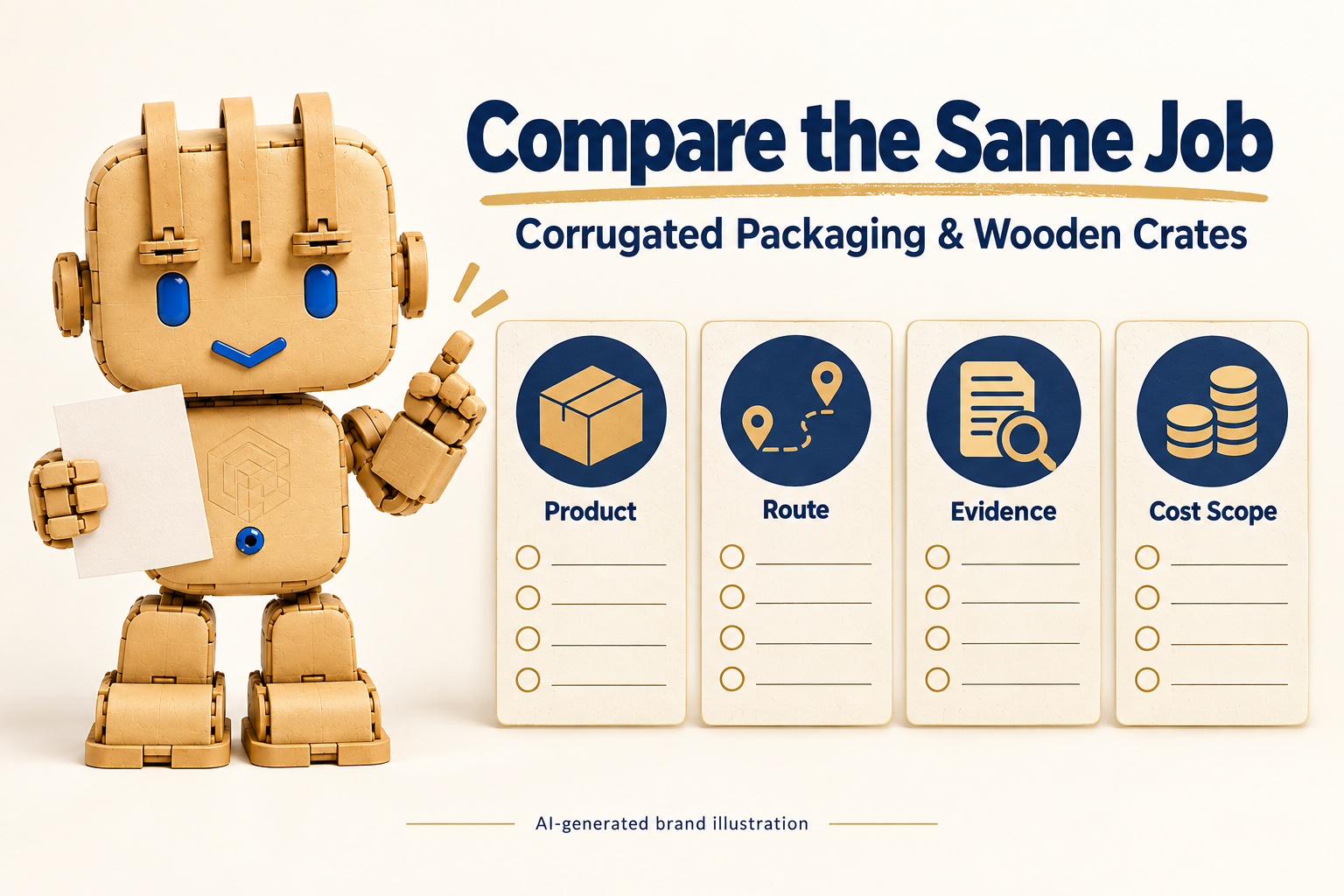
2026/10/06
Compare equipment packaging proposals using the same configuration, shipment conditions, evidence, acceptance criteria and cost scope, without assuming a material winner.
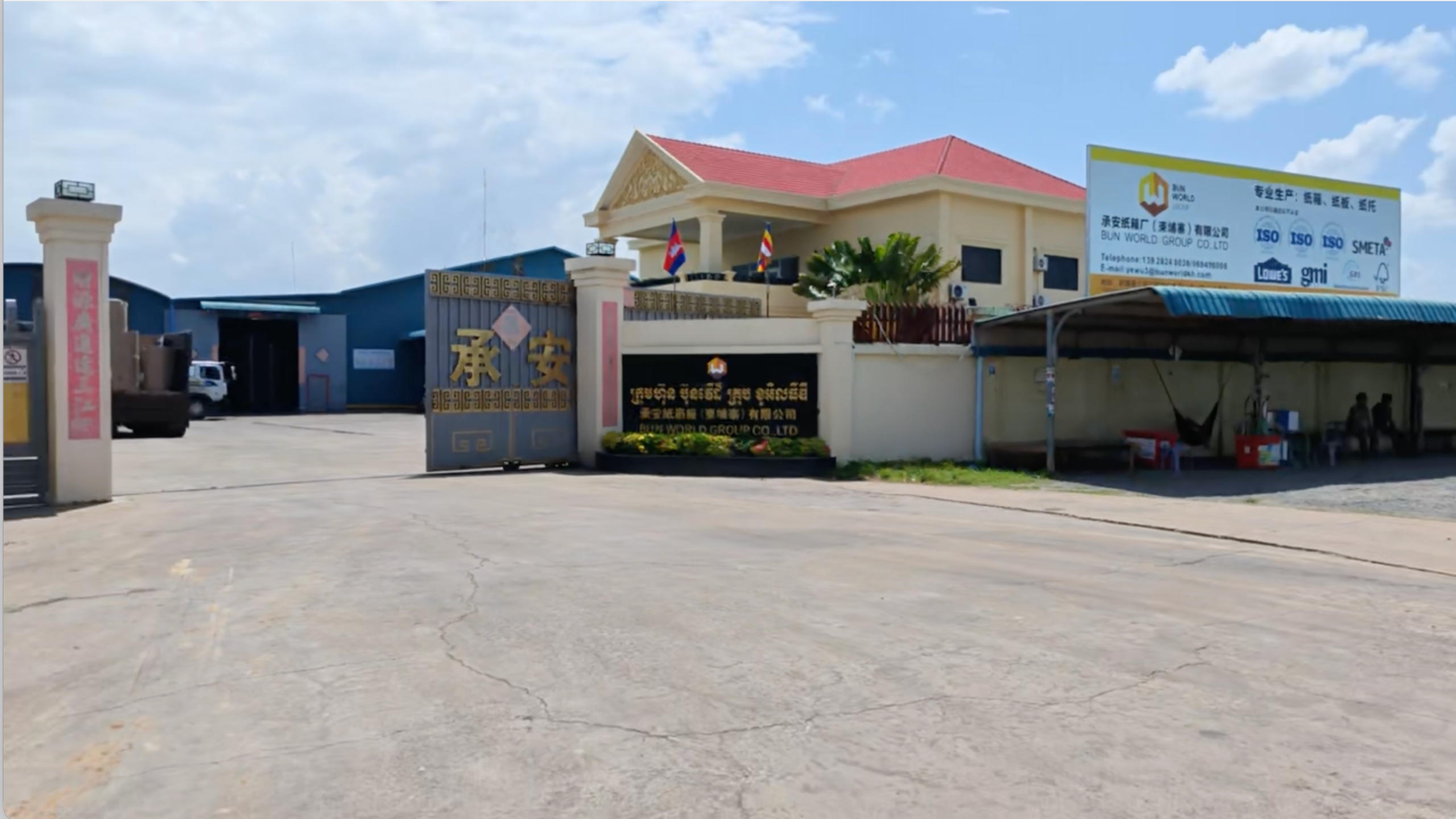
2026/10/04
Explore our Cambodia molded pulp packaging operation through factory and workshop photos showing forming equipment, drying racks and production handling.
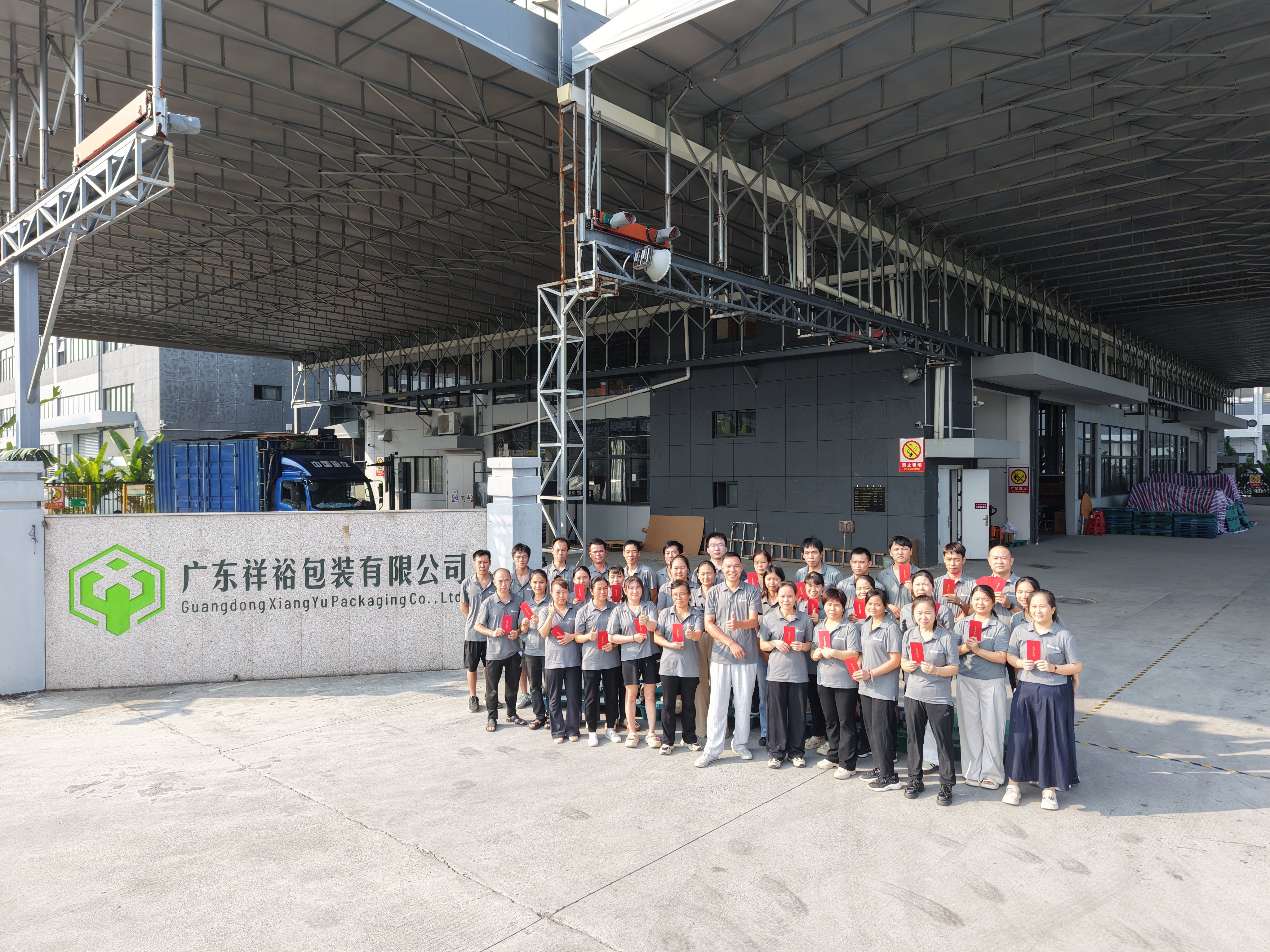
2026/10/02
Guangdong Xiangyu Packaging celebrates the Mid-Autumn Festival with a team photo and festive meal, sharing seasonal joy and strengthening team connections.

2026/09/30
Prepare product, measurement, route, handling, protection and quantity information before an industrial packaging design discussion.