
fiber-based-outer-packaging-solutions, fiber-based-outer-packaging-solutions, /paper-based-packaging
EN
Fiber-based packaging combines paper-based materials for product support, cushioning and outer protection. Suitability for replacing plastic or wood components depends on the product, handling and transport conditions. Final material composition and validation requirements are confirmed for each design.
Custom-Made Industrial Packaging
We manufacture packaging to order based on your product dimensions, weight and transport requirements. We do not supply ready-stock boxes.
For a quotation, please provide your required packaging dimensions (L x W x H), order quantity, product weight and shipping destination. Product photos or drawings are also welcome.
Corrugated Board
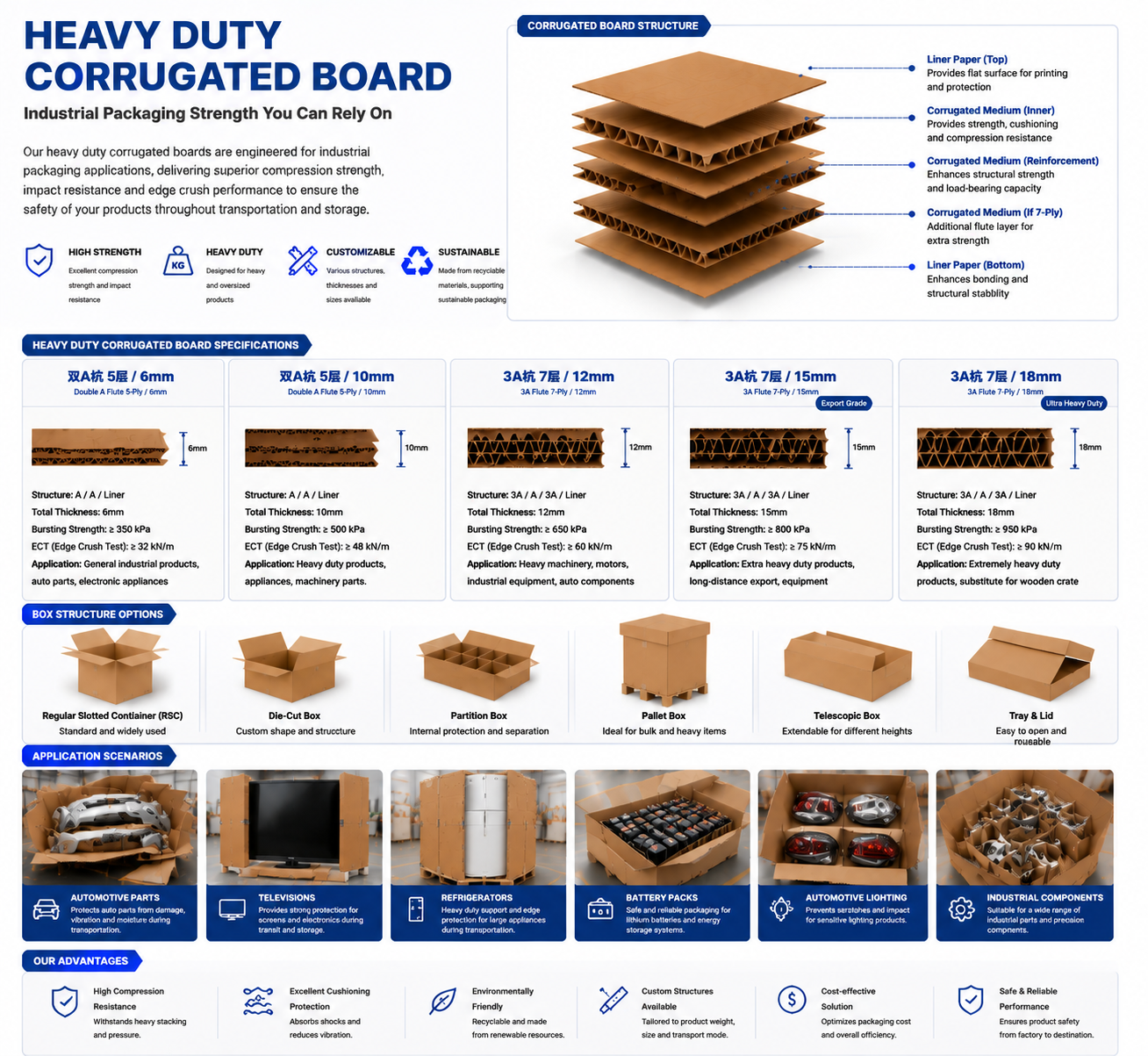
Lightweight yet strong structural material used for primary and secondary packaging
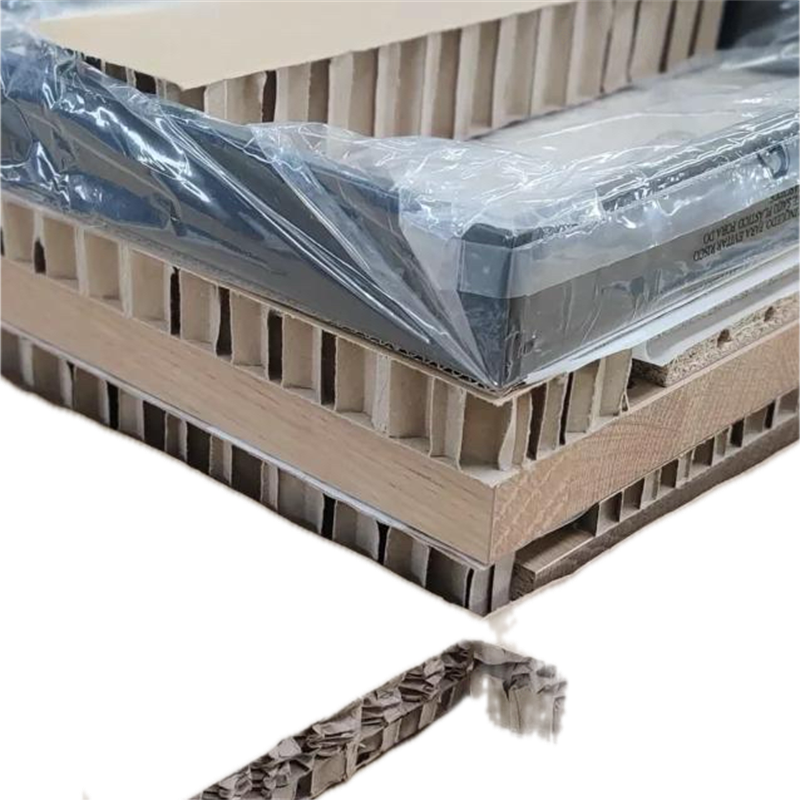
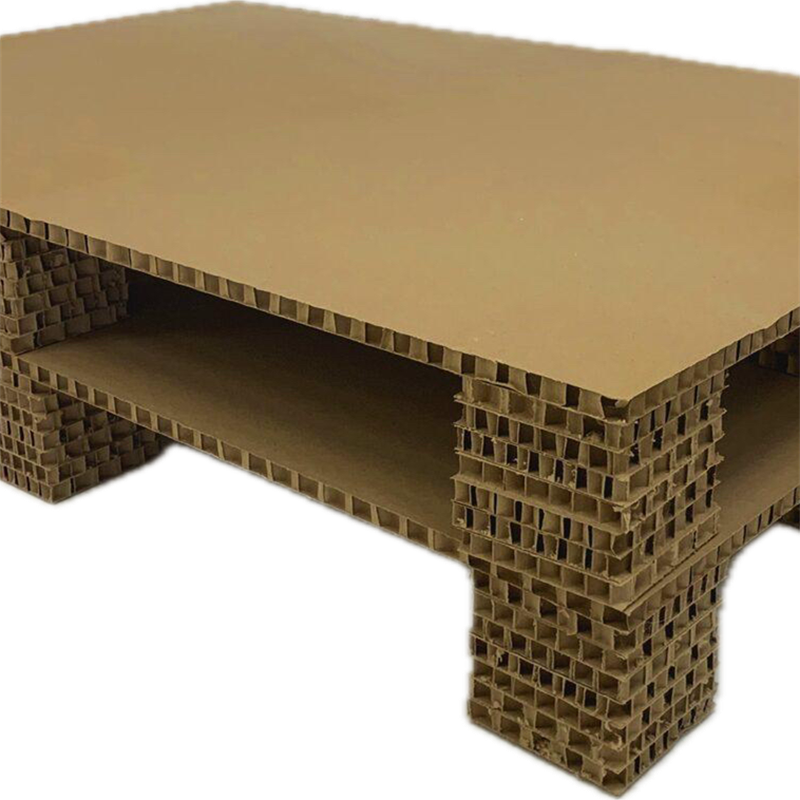
Honeycomb Board
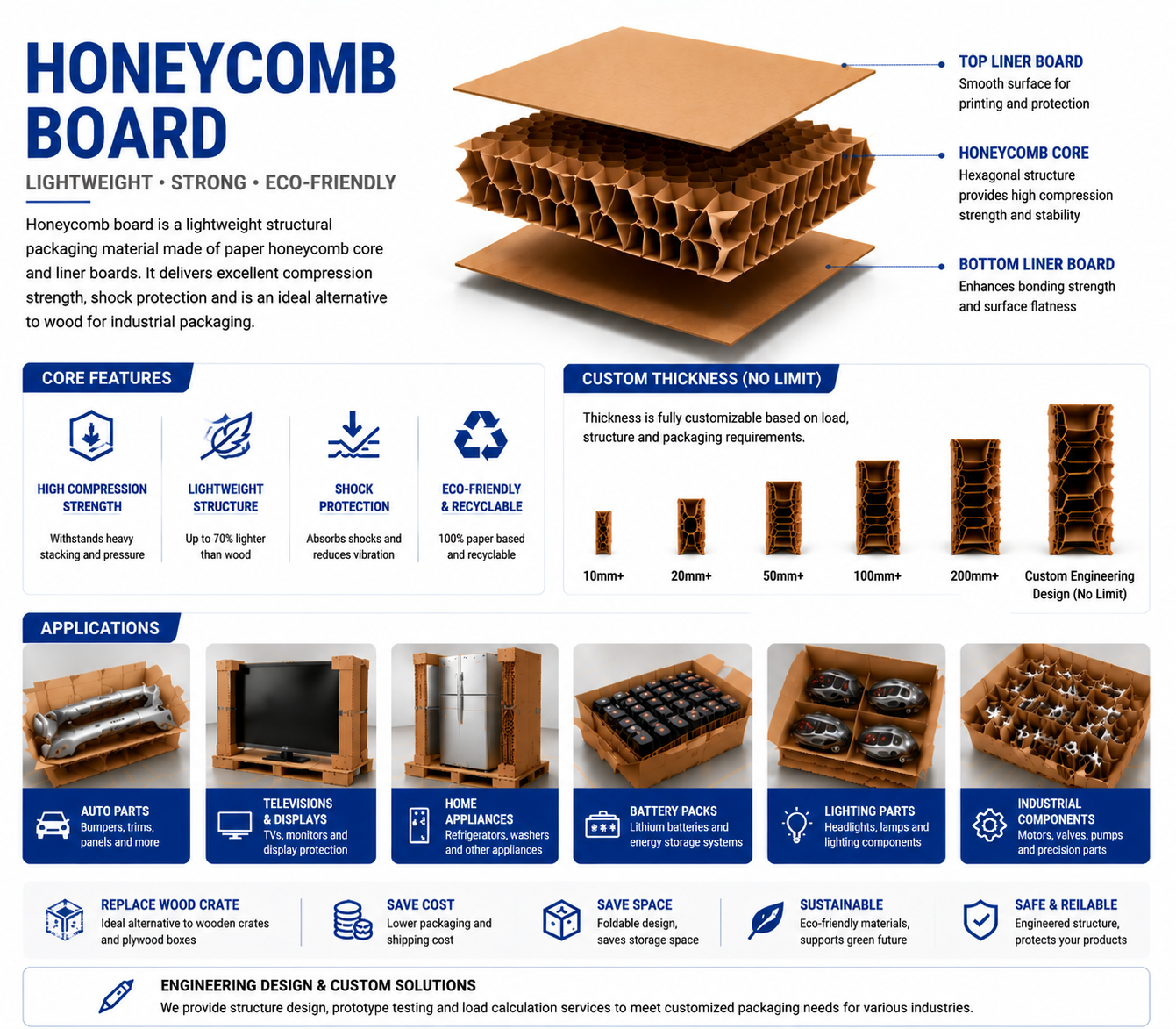
Hexagonal core structure offering excellent compression strength and impact resistance
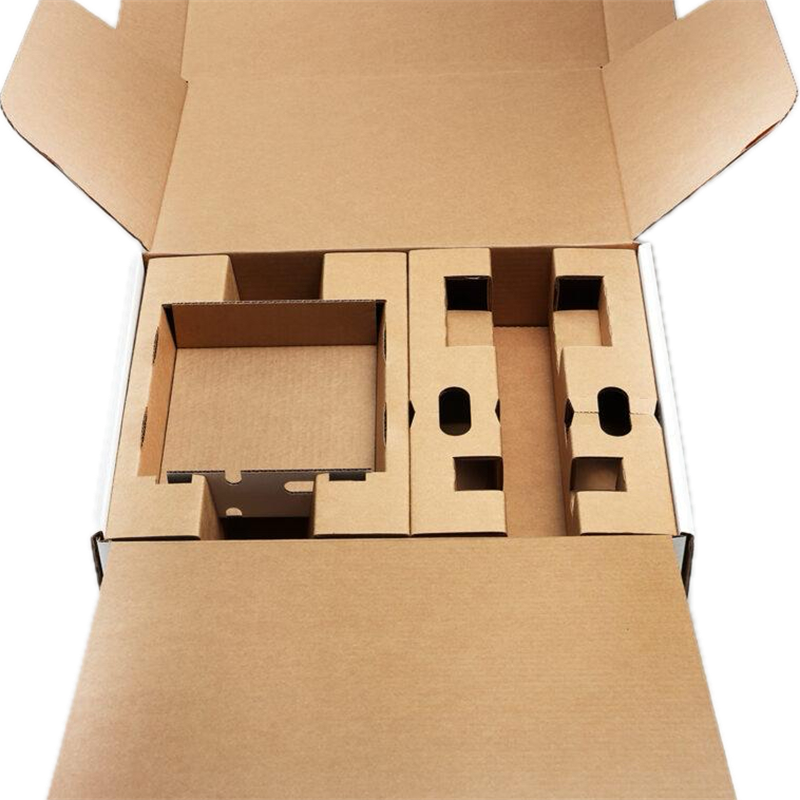
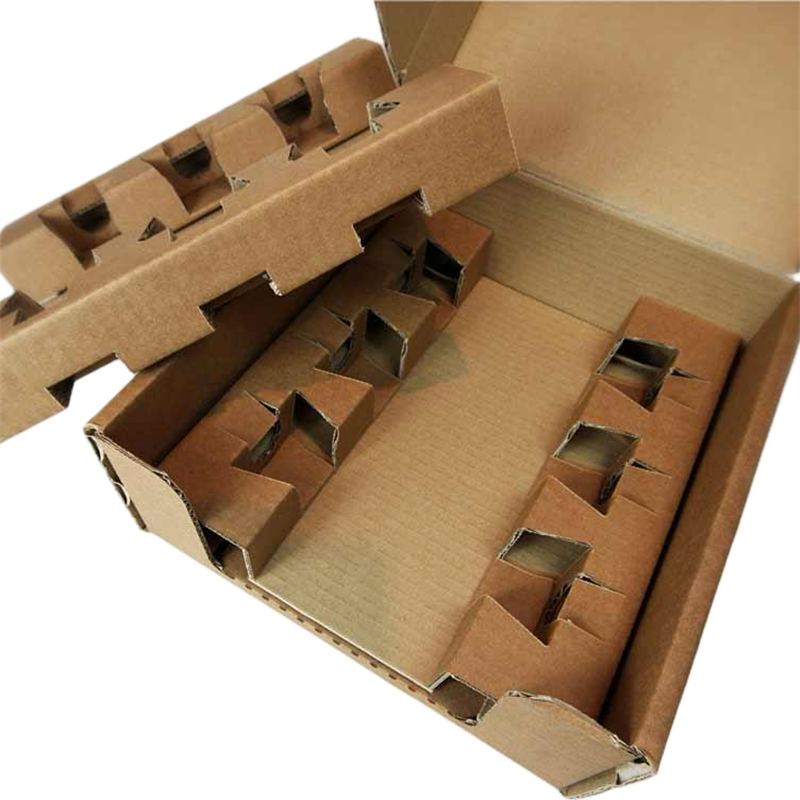
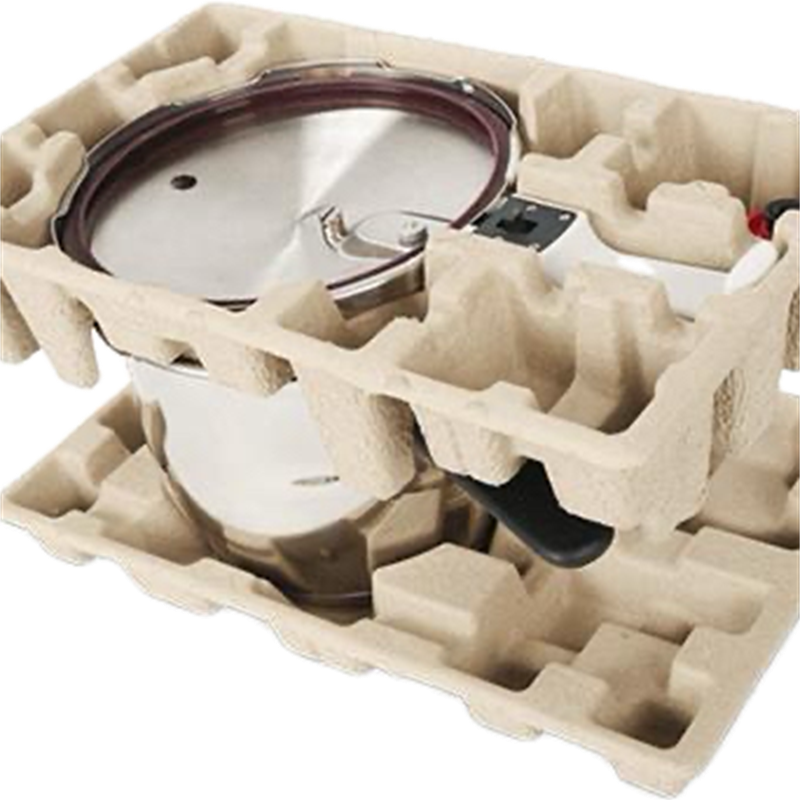
Die-Cut Inserts
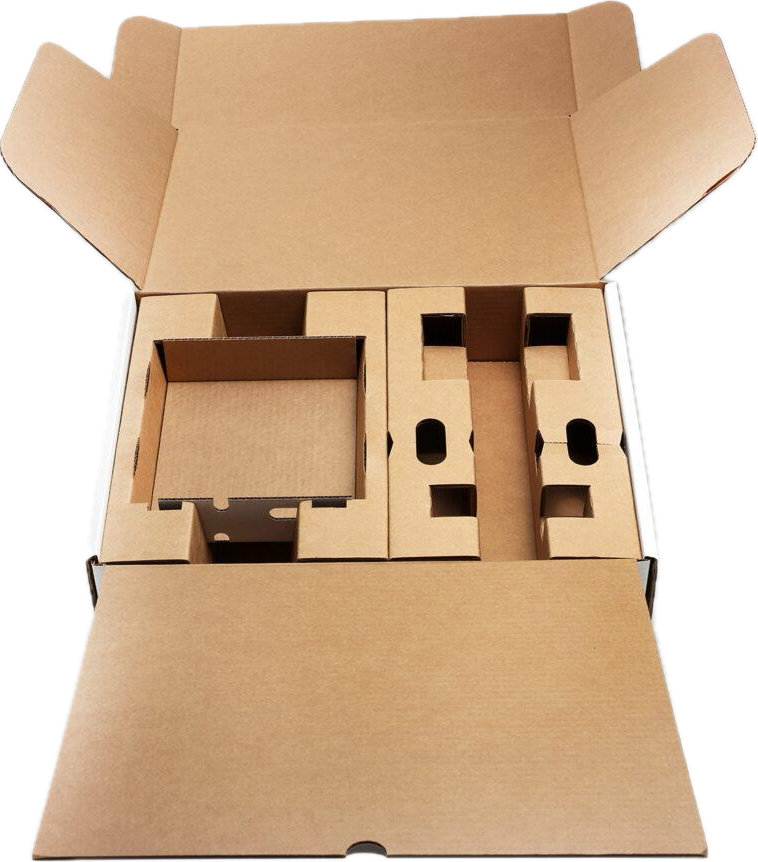
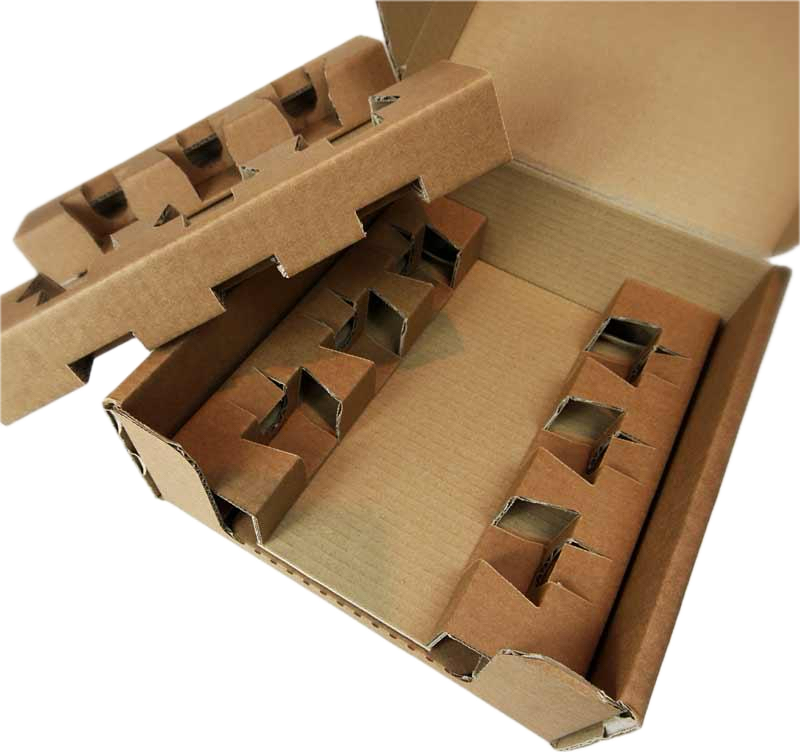
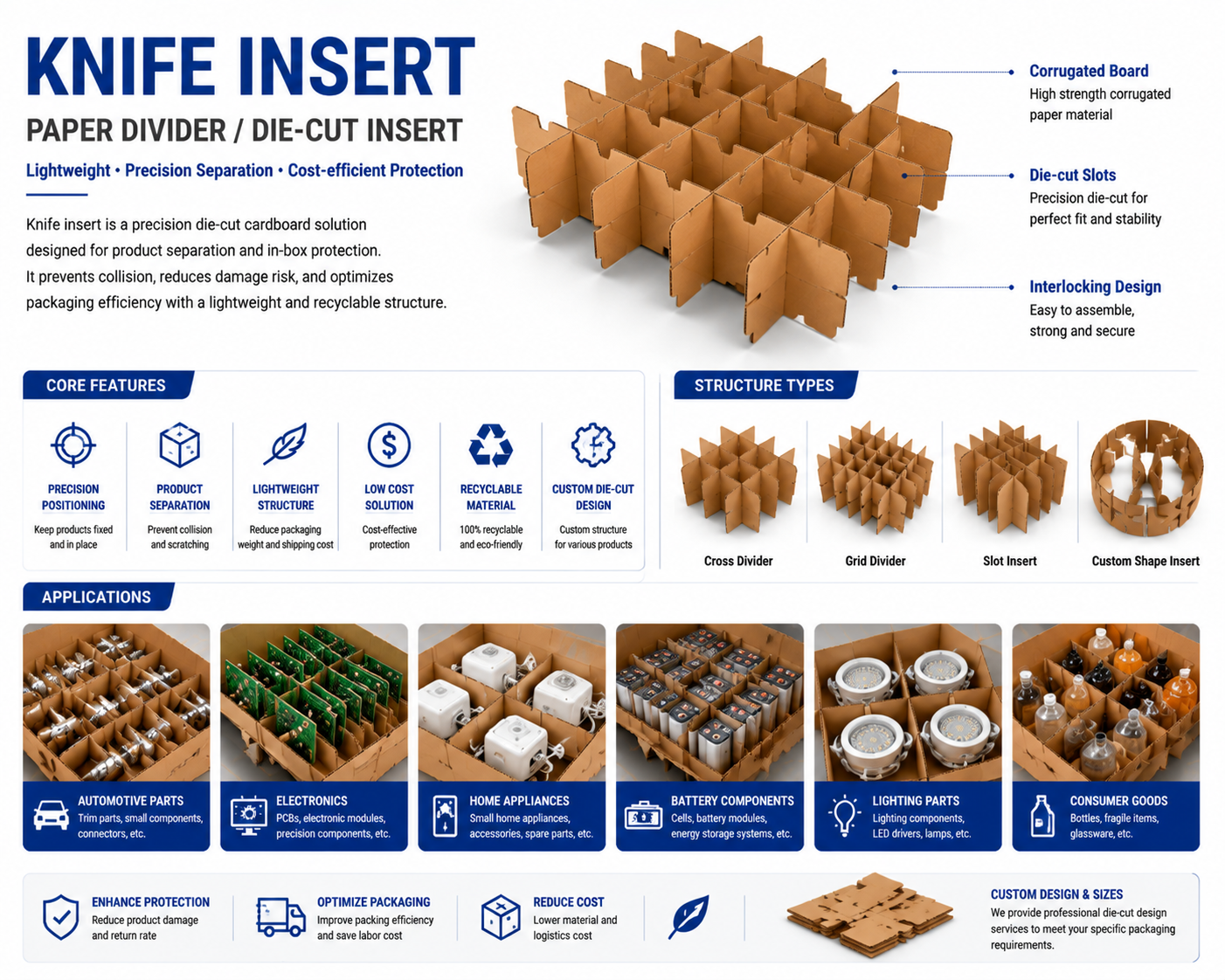
Custom die-cut inserts designed to lock products inside cartons
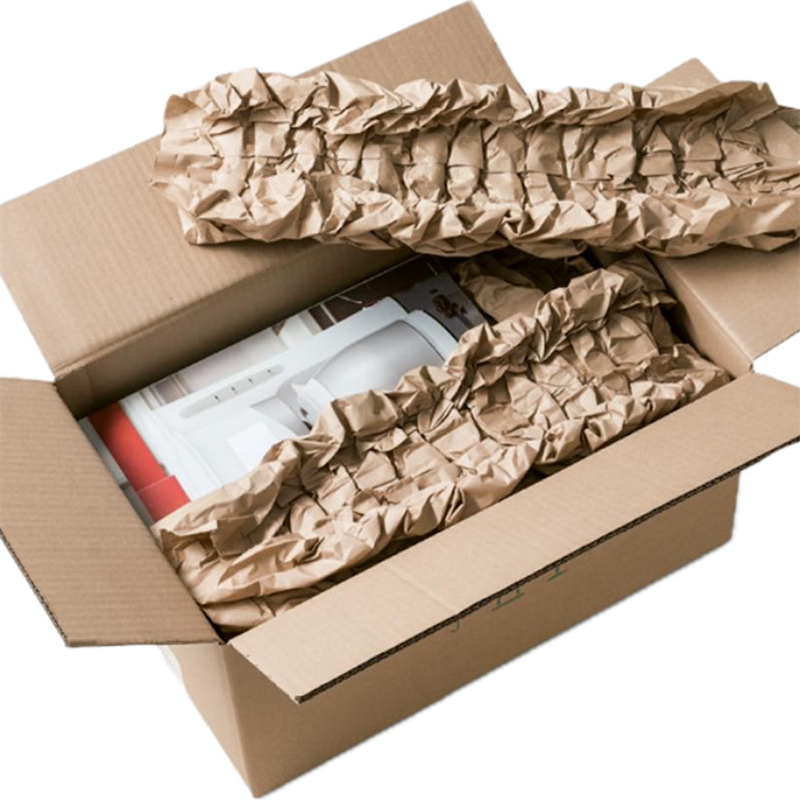
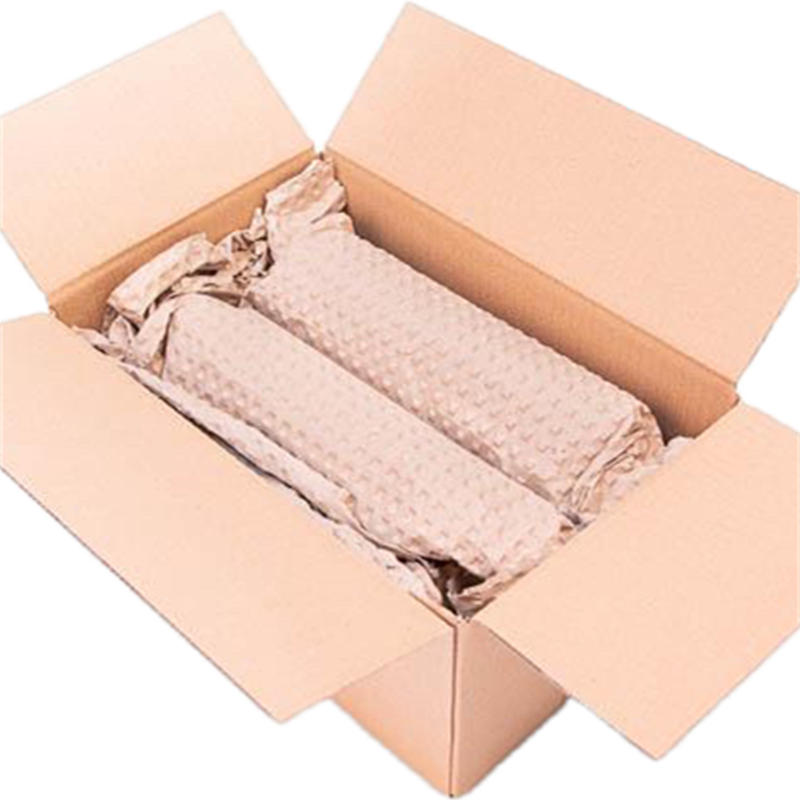
Wrinkled Paper / Void Fill
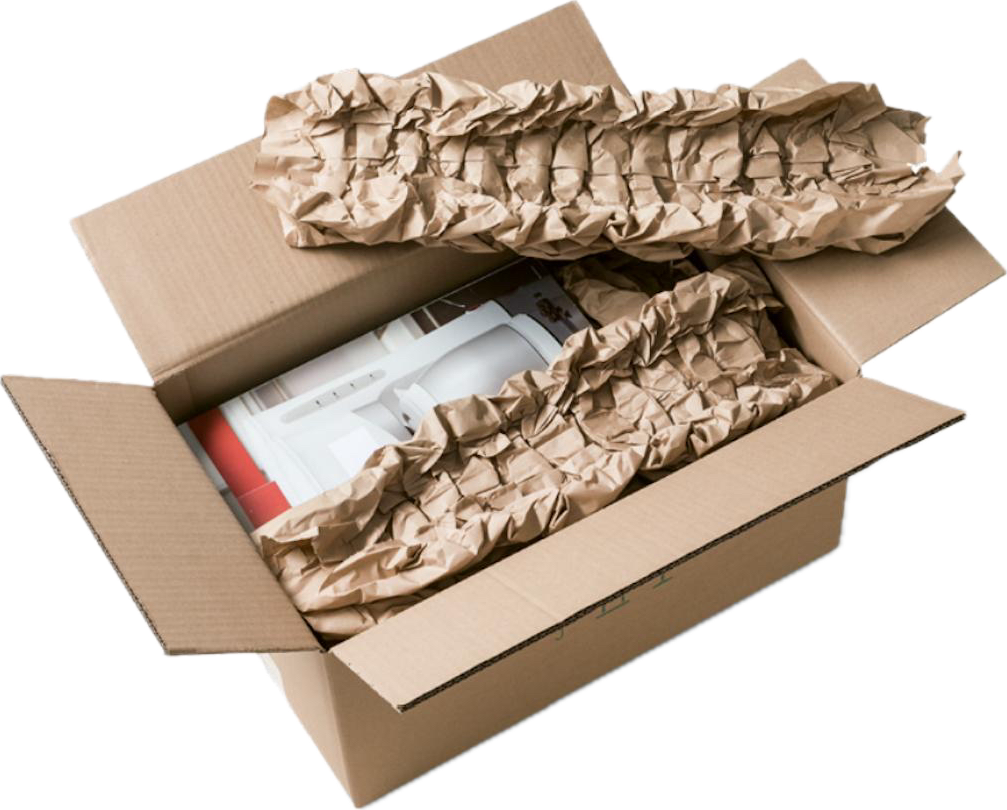
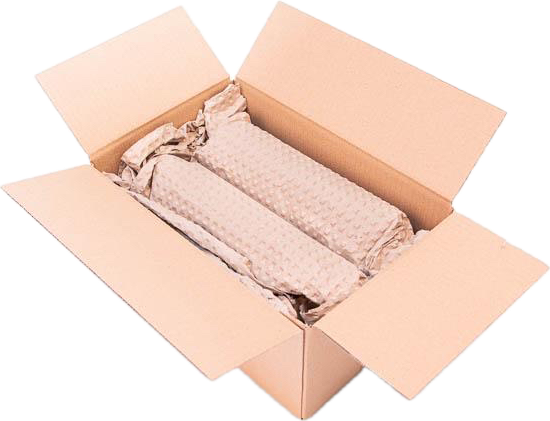
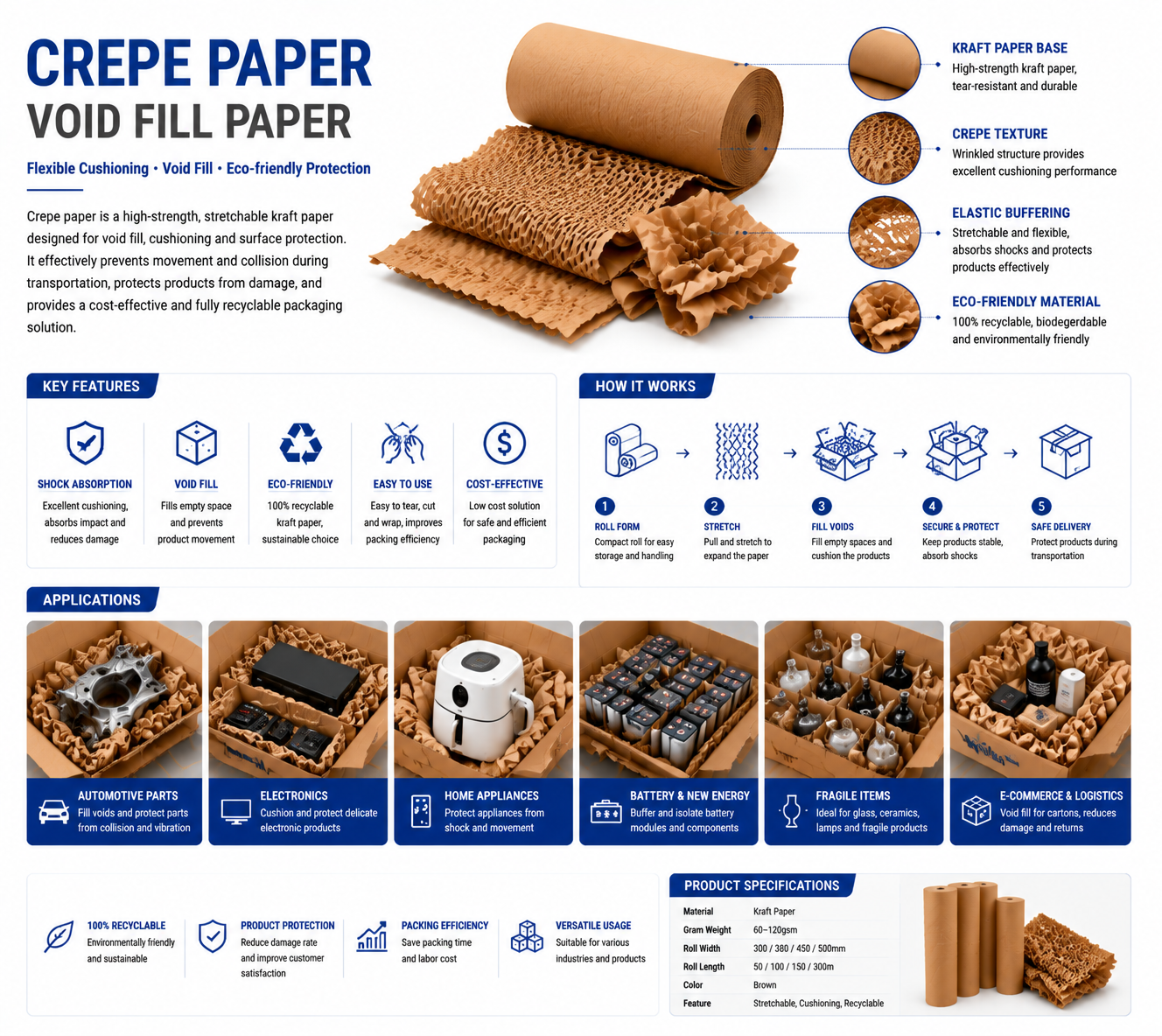
Flexible cushioning material used to fill void spaces and absorb vibration
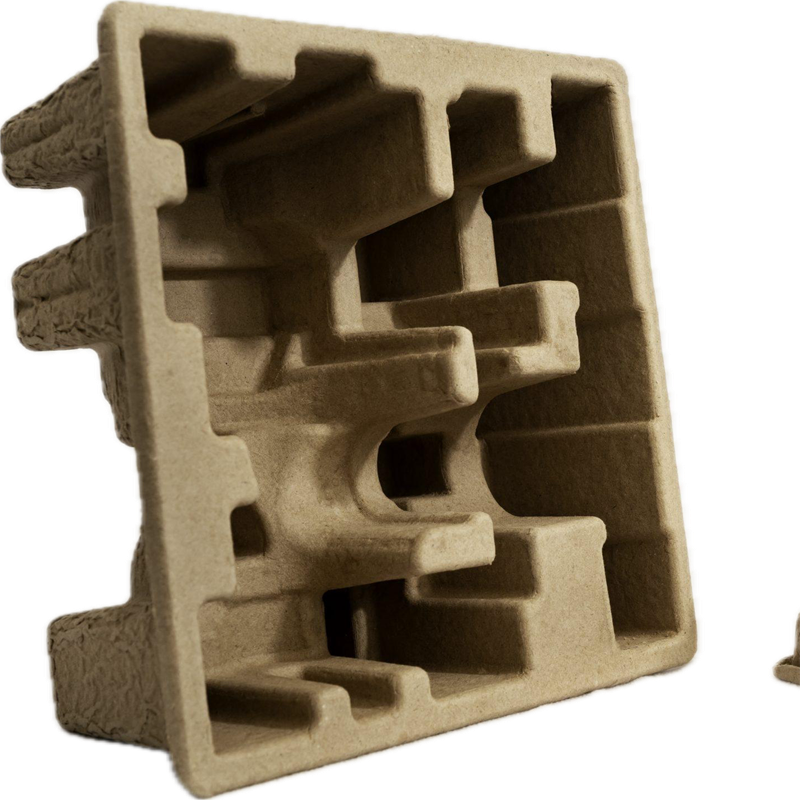
Molded Pulp
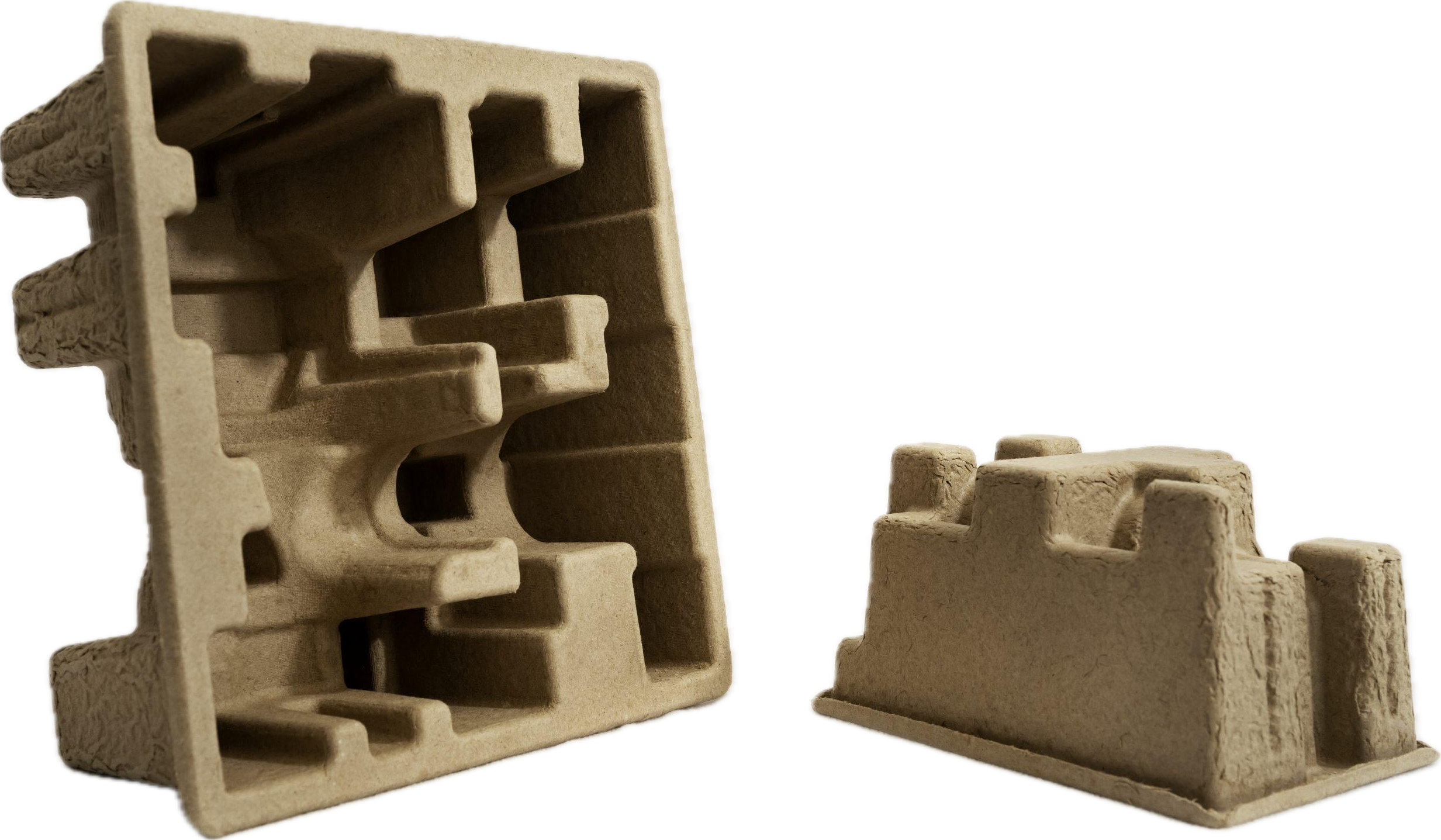
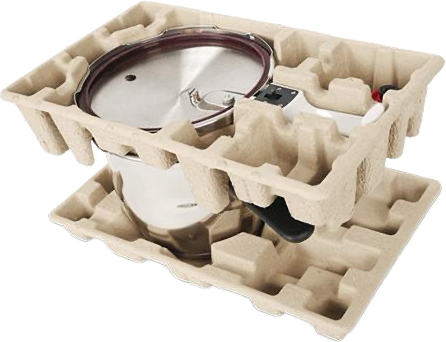
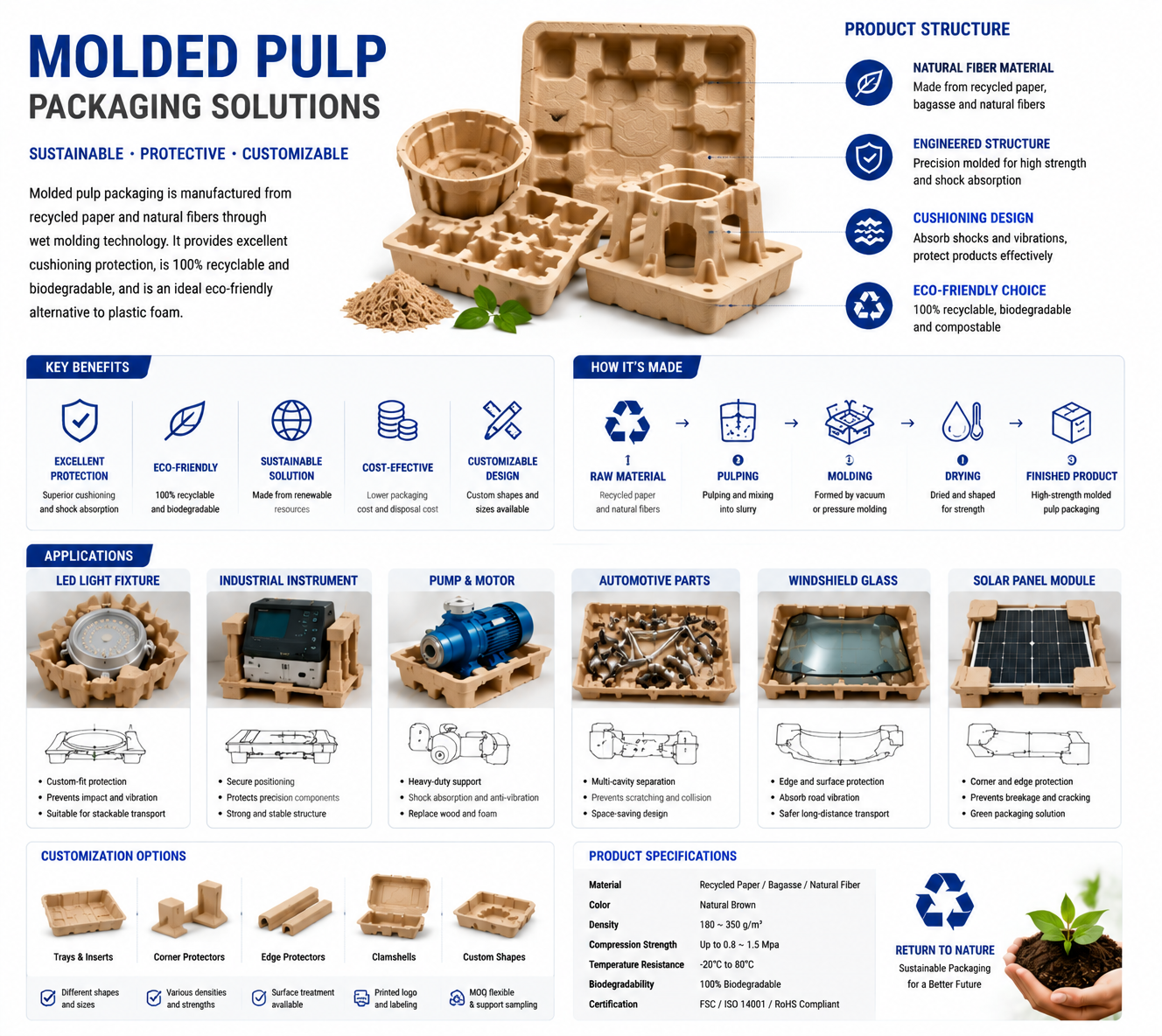
3D-formed fiber packaging that provides precise product fitting
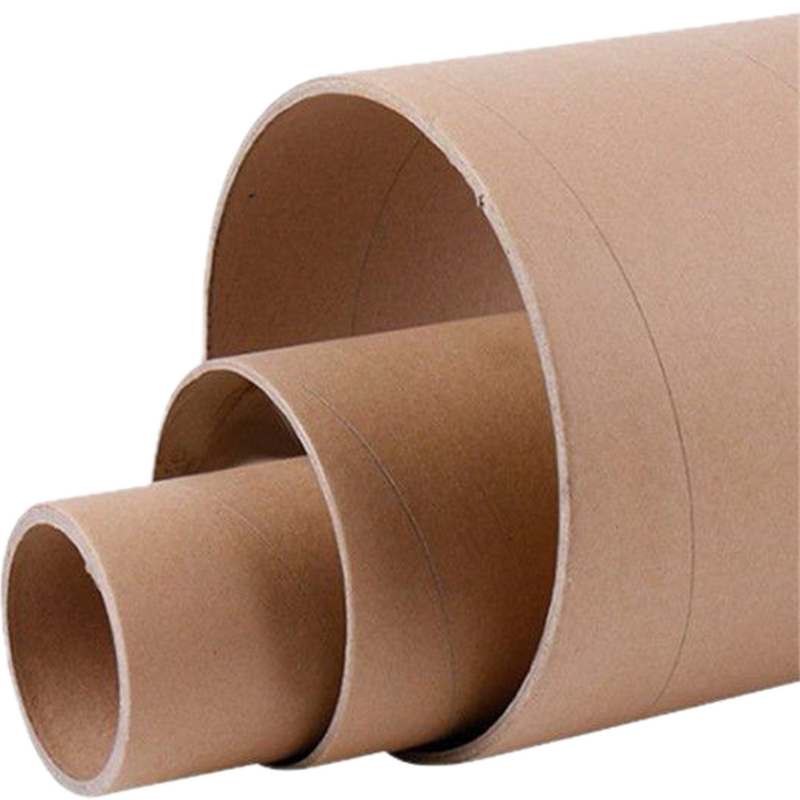
Paper Tube
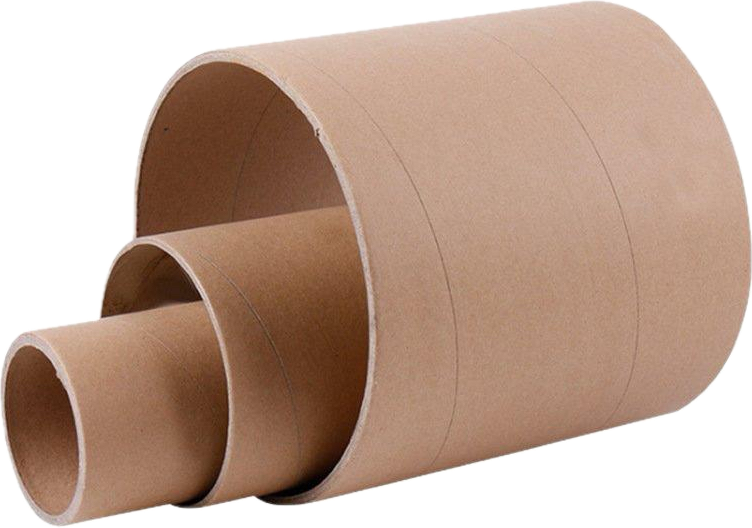
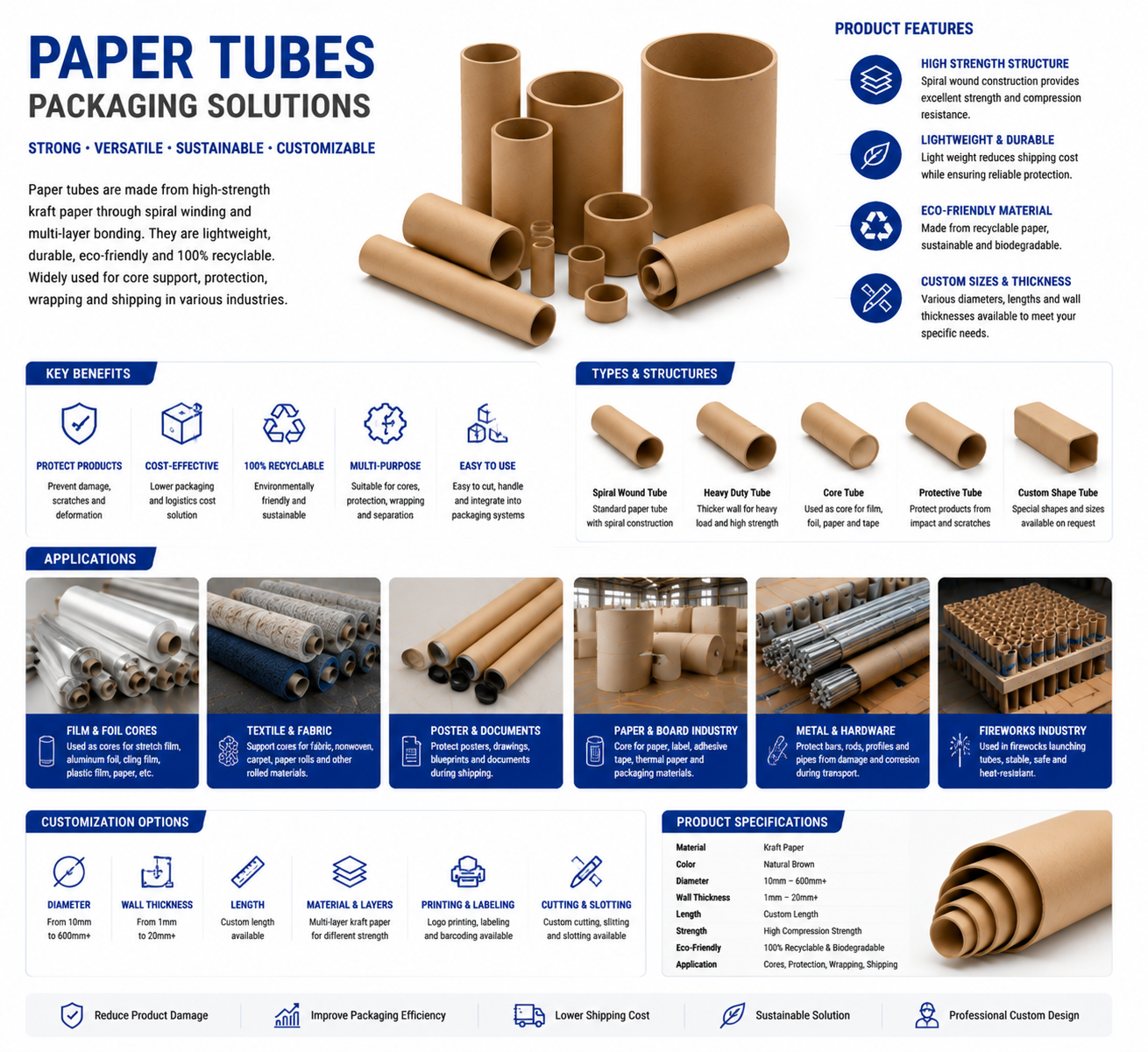
High-strength cylindrical support used for reinforcement
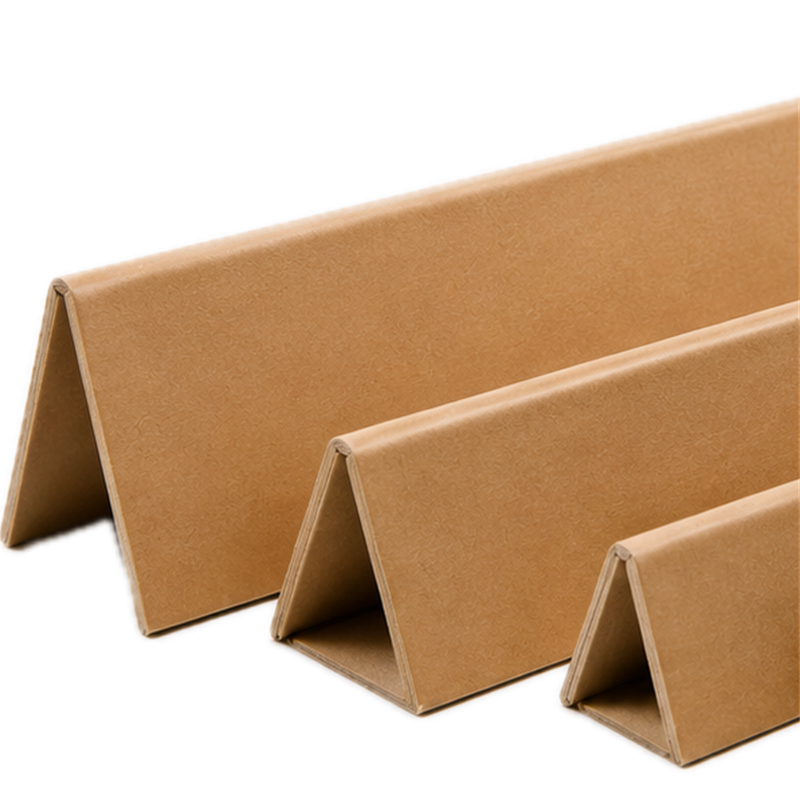
Paper Corner Protector
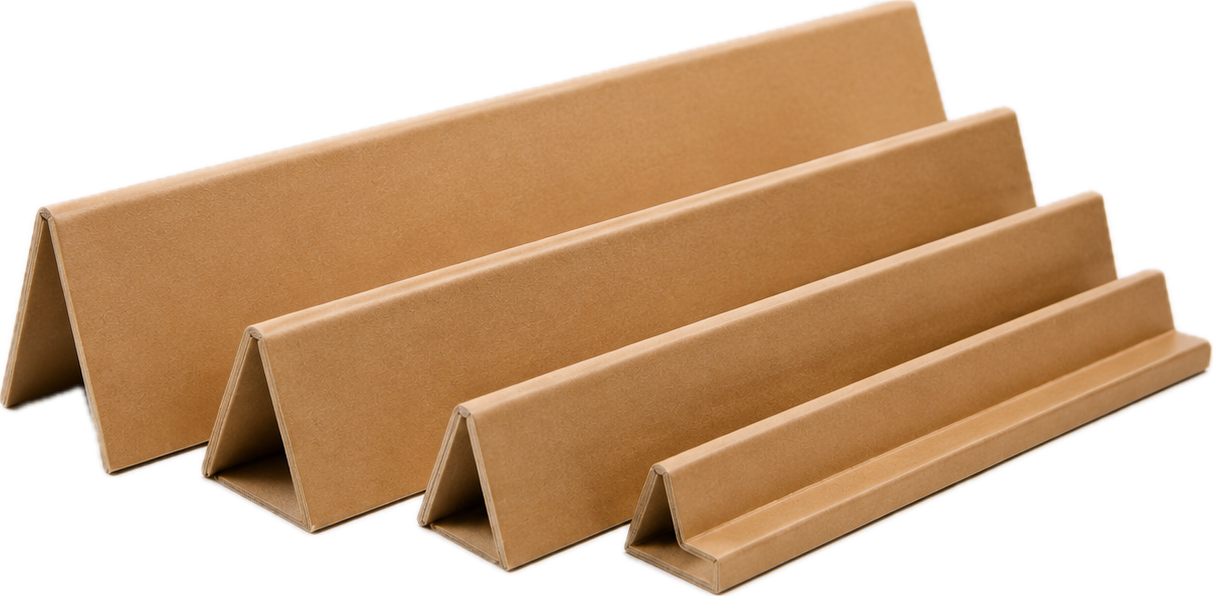
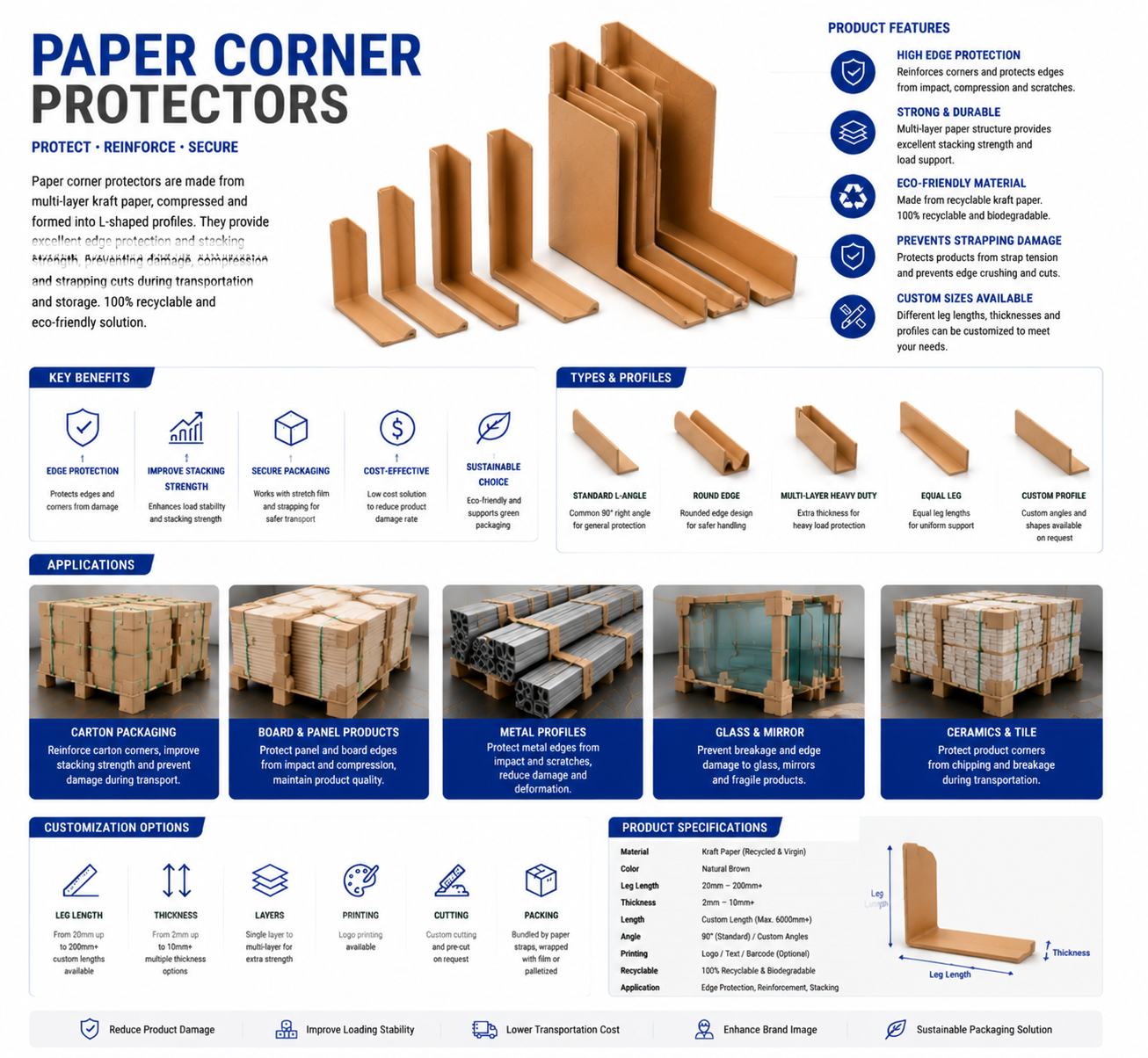
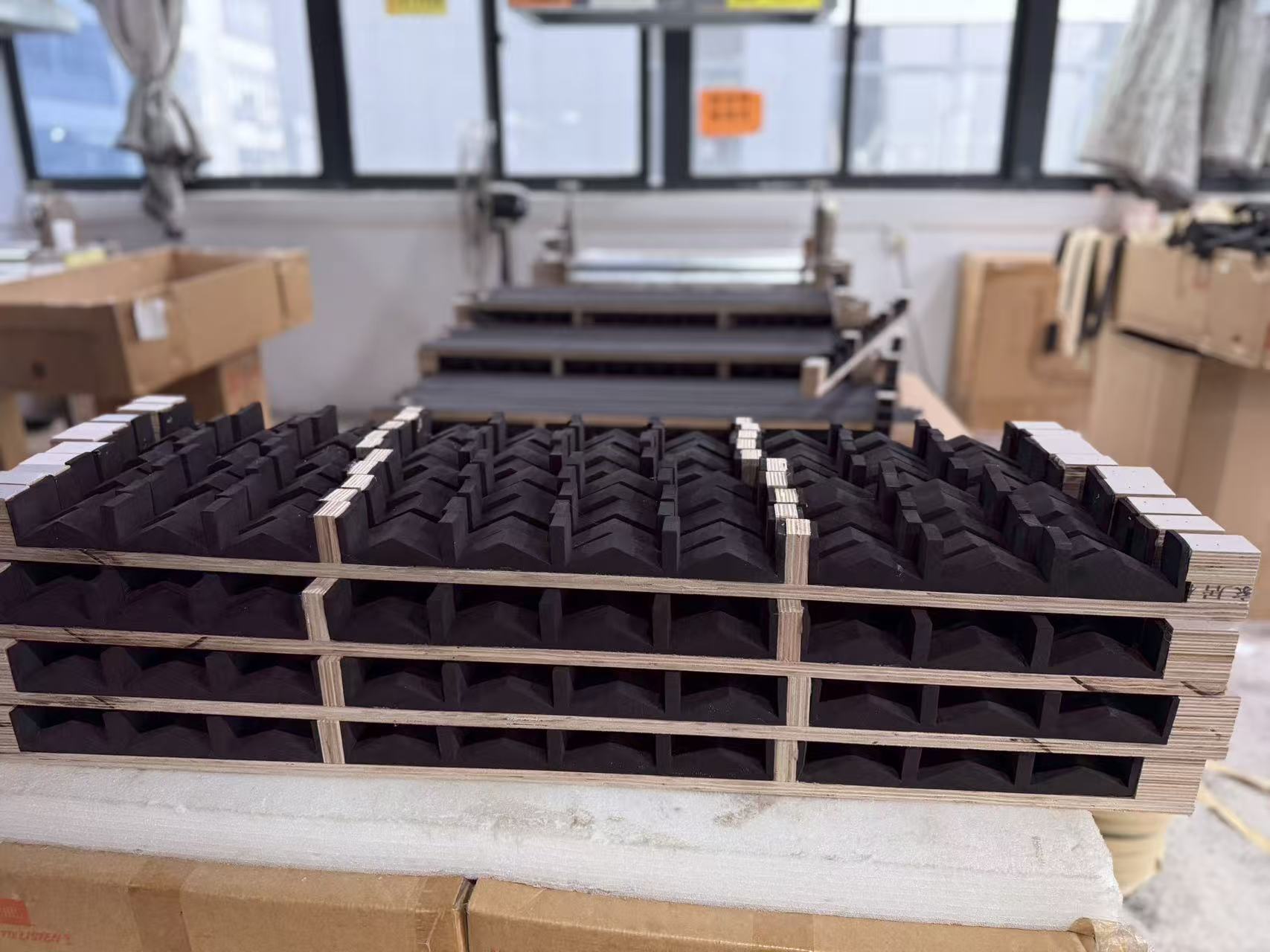
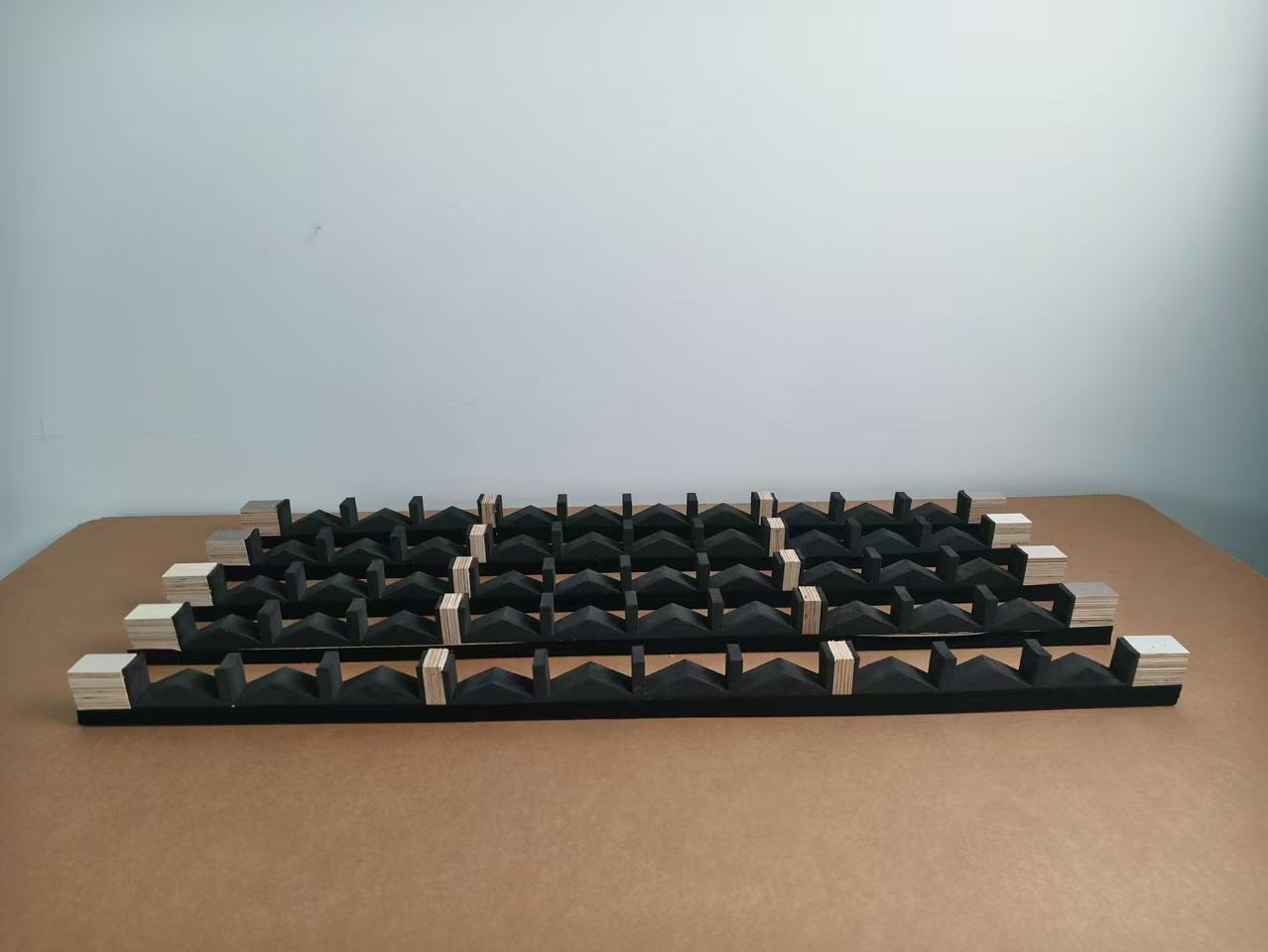
Paper corner protector is a high-strength laminated paperboard profile designed to reinforce edges and corners of cartons, pallets, and heavy industrial packaging. It enhances stacking strength, minimizes strap damage, and improves overall load stability during transportation and storage.
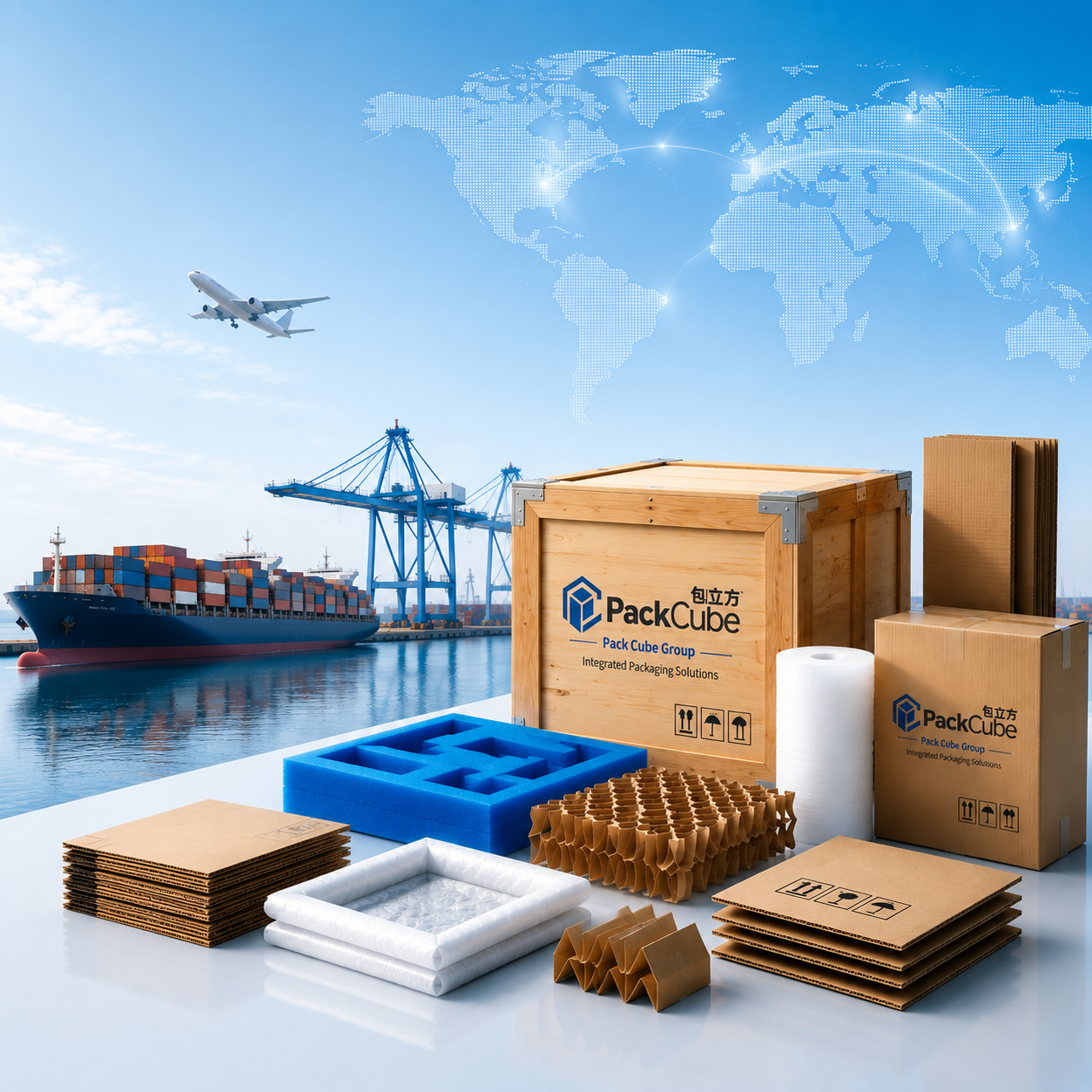
PackCube provides made-to-order fiber-based packaging using corrugated board, honeycomb board, paper inserts, paper tubes and corner protectors as appropriate. Each structure is assessed against product dimensions, weight, fragile areas, handling and transport conditions. Material composition and validation requirements are confirmed for the specific design, aligning with sustainable packaging solutions and eco-friendly packaging trends to ensure reliable performance.
Design approach: structure, cushioning and fixing are selected together. Paper-based materials may be considered as alternatives to foam, plastic or wooden components where suitable. Replacement is subject to product risk, handling conditions and agreed sample or test results; paper is not assumed suitable for every application. Utilizing recyclable outer packaging helps reduce environmental impact while maintaining necessary structural integrity across shipping channels.
Key features include:
- High-strength engineered fiberboard construction to resist compression and impact.
- Molded fiber cushioning tailored to product geometry for secure immobilization.
- Modular formats for single-item shipments, multi-unit pallets, and retail-ready displays.
- Printing inks and surface treatments are selected against the agreed specification; availability and end-of-life implications require review.
· Compatibility with packing equipment must be checked against the customer’s actual line and packing process.
Typical applications include industrial equipment, automotive components, electronics and appliances. Photos or drawings, product weight, support points, transport method and stacking requirements help determine whether a paper-based structure is appropriate. Application examples do not imply that every configuration has been tested or delivered.
Specific application scenarios:
- Shipping cartons and inserts using fiber-based packaging may be considered where the product, handling and order requirements are suitable.
- Subscription boxes and multi-item kits using modular fiber inserts that simplify packing and protect contents.
- Display or shelf-ready features are subject to design feasibility and the agreed material specification.
- Paper-based protective inserts may be considered as foam alternatives following a product-specific assessment to support sustainable packaging solutions.
Material selection considers board grade, thickness, moisture exposure, load distribution and available converting methods. Coatings, liners, adhesives and other additions must be identified in the final specification. Any claim about recycled content, material certification or recyclability requires evidence for the supplied material and destination.
Innovative elements include:
· Board grade and thickness are selected for the proposed structure and loading conditions.
· Any water-resistant treatment must be specified and reviewed for its effect on protection and recyclability.
· Folded or nested formats may be considered where suitable; storage volume depends on the final dimensions.
· Printing method, artwork and any variable-data requirements must be confirmed before order acceptance.
Performance depends on the complete packaging structure and conditions of use. Load capacity, stacking limits and drop or vibration performance cannot be inferred from material type alone. Any performance figure must state the design, loading, conditioning and test method to which it applies, ensuring recyclable outer packaging meets established transport standards.
Project-specific considerations:
- Any weight reduction claim requires a comparison against a defined alternative packaging design.
- Recycled content and certification claims must be supported by documentation for the supplied material.
- Freight and storage costs depend on final dimensions, weight, order quantity and the actual shipping arrangement.
- Comparisons with foam require matched test conditions and supporting results for both designs.
End-of-life considerations: recyclability depends on the actual material composition, separation of components and local collection facilities. A design containing wood, foam, plastic film or foil is described by its actual composition rather than as an all-paper system. Environmental benefits require a defined comparison and supporting evidence aligned with eco-friendly packaging trends.
Sustainability highlights:
- Certified material supply, certification scope and supporting documents must be confirmed for the order.
- Plastic reduction depends on the final design and must be measured against a defined baseline using fiber-based packaging.
- Recycling options depend on the material composition, separation requirements and destination facilities.
- Any emissions or resource-saving figure requires a defined comparison and a documented calculation basis.
Customization can cover dimensions, board grade, inserts, fixing points, handling features and printing requirements. Please provide drawings or reference photos, artwork and any surface-finish preferences for a feasibility and quotation review. Specialist finishes and printing methods are subject to confirmation.
Customization options:
- Printing coverage, colors and ink requirements are reviewed against the agreed artwork and material.
- Handles, openings and other structural features are subject to load and design review.
- Co-designed protective inserts engineered specifically for product geometry to maximize protection while advancing sustainable packaging solutions and eco-friendly packaging trends.
Project workflow covers product assessment, risk review, design, sample review where required, and production to the agreed specification. Fit checks and any stacking or transport-related tests are scoped for the project. Third-party laboratory testing, certification and reports require separate confirmation of availability, scope and cost.
Integration steps:
- Product assessment and design brief capturing dimensions, fragility, and branding requirements for recyclable outer packaging.
- Sample review and any drop, compression or vibration testing are agreed separately; untested designs carry no implied test result.
- Pilot production with documentation for handling, packing, and recycling instructions for end-users.
For a quotation, please provide product dimensions, weight, quantity, shipping destination and any moisture, stacking or validation requirements. PackCube will discuss suitable materials and confirm the proposed structure, price, sample arrangements and lead time before production, delivering customized fiber-based packaging tailored to your supply chain needs.
Automotive parts
Electronics
Home appliances
Industrial machinery
Export logistics
Fiber-based packaging works as a complete engineered system combining structure + cushioning + void filling.
 EN