Safe Transport of Dangerous Goods Packaging

application/packaging-of-dangerous-goods-for-transport, application/packaging-of-dangerous-goods-for-transport, 
Get Packaging Assessment

Packaging of dangerous goods for transport

Packaging dangerous goods for transport is a very important task. It involves putting items that can harm people or the environment into safe containers. These items can be chemicals, batteries, or any other materials that can be dangerous. At Packcube, we take this responsibility seriously. We know that when dangerous goods are not packed properly, it can lead to accidents that can hurt people and harm nature. That’s why we focus on safe packaging practices. Understanding how to package these goods correctly is not just about following rules; it’s about protecting everyone involved in the transport safety process. 

To make sure we are following the rules for packaging dangerous goods, we must know the laws that apply. Different countries have different rules, so it’s important to check before shipping. For example, in the United States, there are rules from the Department of Transportation (DOT) that tell us how to package these goods safely. The first step is to classify the dangerous goods correctly. This means identifying what type of danger they pose. Are they flammable? Toxic? Corrosive? Once we know what we are dealing with, we can choose the right packaging. Next, we need to use materials that are strong enough to hold the goods. For instance, if we are shipping a corrosive liquid, we should use containers made of materials that can resist corrosion. We also have to label the packages clearly. Labels should show what is inside and how to handle it safely. This helps everyone, from the workers in the warehouse to the delivery drivers. At Packcube, we always double-check our labels and sustainable packaging solutions. It’s like a safety checklist that we must follow every time. Finally, training is crucial; all employees must understand how to handle dangerous goods. Regular training sessions help keep everyone updated on the latest rules and best practices. When everyone knows what to do, we reduce the chances of mistakes. Additionally, we utilize our packaging compliance to enhance safety during transport. 
Why choose PackCube Packaging of dangerous goods for transport

Our Products

How to Ensure Compliance in Packaging Dangerous Goods for Wholesale Shipping

There are many common issues when packaging dangerous goods, and recognizing them can help prevent accidents. One big problem is using the wrong type of container. For example, some liquids need to be in special bottles that won’t break. If we use regular plastic bottles instead, they might leak, causing a big mess and potential harm. Another issue is not sealing the packages correctly. If a box is not closed tightly, the contents could spill out. This can be especially dangerous with chemicals or flammable materials. To avoid this, we should use strong tape or special seals made for dangerous goods. Additionally, sometimes workers forget to check the labels. If a package is labeled incorrectly, it can lead to confusion and unsafe handling. At Packcube, we make sure that every package is checked for correct labeling before it leaves our facility. We also encourage our team to communicate openly about any concerns. If someone sees a potential issue, it’s important to speak up. Using good quality eco friendly packaging solutions is also essential. Cheaper materials might save money but can lead to dangerous situations. Investing in high-quality containers ensures that the goods are secure during transport. Finally, sometimes people don’t take the time to read the instructions that come with the materials. Each type of dangerous good has specific handling instructions that are important. By ensuring that everyone understands these, we can avoid many common mistakes.

Frequently Asked Questions

What dangerous goods packaging solutions do you offer?

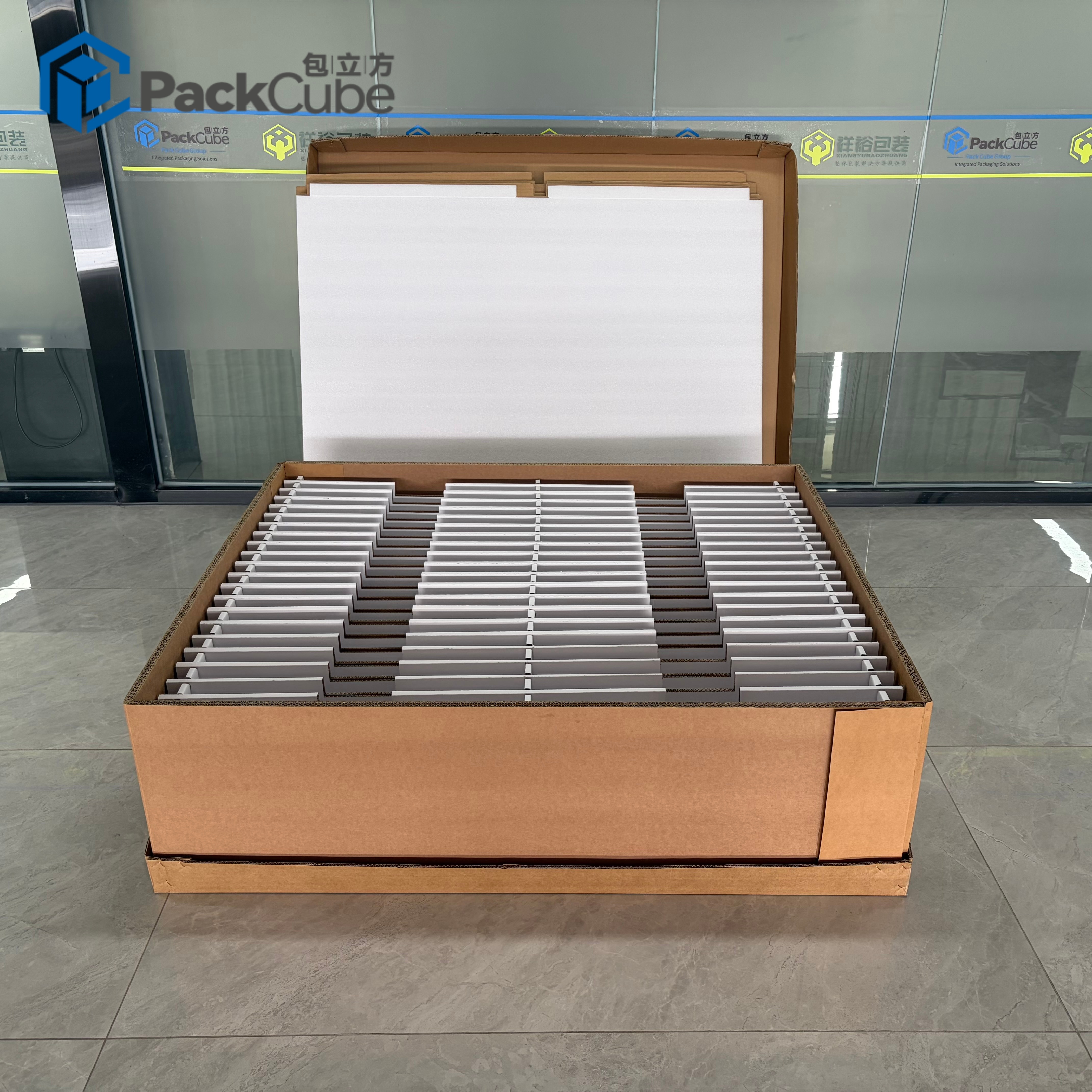
We provide certified transport packaging for hazardous materials, including customized crates, UN-compliant drums, inner containment systems, cushioning and secure fastening tailored to equipment and component needs.
Our engineering team designs to applicable UN, ADR, IMDG and IATA standards, performs testing, documentation and labeling to ensure legal compliance for international and domestic shipments.
Yes. We tailor materials, internal supports, shock mitigation and environmental protection to machinery, precision components and new energy equipment requirements.
We conduct drop, vibration, compression and leak tests, generate test reports, and supply required certification and transport documentation for hazardous goods shipments.
We combine robust outer packaging, corrosion and moisture barriers, internal restraint systems and shock isolation, plus handling instructions and export-grade pallets/frames for safe long-distance transit.

Our Blog Posts

What Our Partners Say

Common Packaging Issues with Dangerous Goods and How to Avoid Them

Common Packaging Issues with Dangerous Goods and How to Avoid Them

In the end, the packaging of dangerous goods is a serious matter that requires attention to detail and care. At Packcube, we are committed to following all the necessary rules and making sure everyone involved is safe. By knowing how to package these goods correctly and recognizing common problems, we can reduce risks and protect people and the environment.

What are the Best Practices for Packaging Dangerous Goods for Safe Transport?

What are the Best Practices for Packaging Dangerous Goods for Safe Transport?

When it comes to packaging dangerous goods, safety is the first thing to think about. Dangerous goods can be anything from chemicals, batteries, to even some types of food. These items need special care when being moved from one place to another. One of the best practices is to use strong, sturdy containers. These containers should be made from materials that won’t break or leak easily. For example, if you are shipping a liquid that is harmful, you should use containers that are made of thick plastic or metal. It is also important to label these containers clearly. Labels should tell people what is inside and if it is dangerous. This way, everyone knows to handle the package with care. Another good practice is to fill any empty space in the box with padding, like bubble wrap or foam. This helps to keep the item from moving around during transport, which can prevent spills or breaks. Additionally, it is wise to pack items in a way that prevents them from touching each other. This can help avoid chemical reactions that might happen if different dangerous goods mix together. At Packcube, we focus on these safe practices to ensure that all dangerous goods are packaged correctly. We believe that following these steps is essential to keeping everyone safe during transport. Furthermore, we also offer a range of packaging compliance to cater to various shipping needs.

What Regulations Govern the Packaging of Dangerous Goods for Transport?

What Regulations Govern the Packaging of Dangerous Goods for Transport?

When packaging dangerous goods, there are many rules and regulations that must be followed. These biodegradable packaging solutions and regulations help to keep everyone safe, including the people who handle the packages and the environment. Different countries have different rules, so it is important to know the laws where you are shipping. For example, many places require that dangerous goods are packaged according to specific guidelines. This includes using the right type of container and having the correct labels. The rules also often state how to handle emergencies, like spills or leaks. In the United States, the Department of Transportation (DOT) has strict regulations for packaging dangerous goods. They require that shippers use special containers that meet certain strength and safety standards. In addition, the goods must be classified correctly. This means that you must know exactly what type of dangerous goods you are shipping so the right precautions can be taken. It is also important to keep updated on any changes in these regulations.